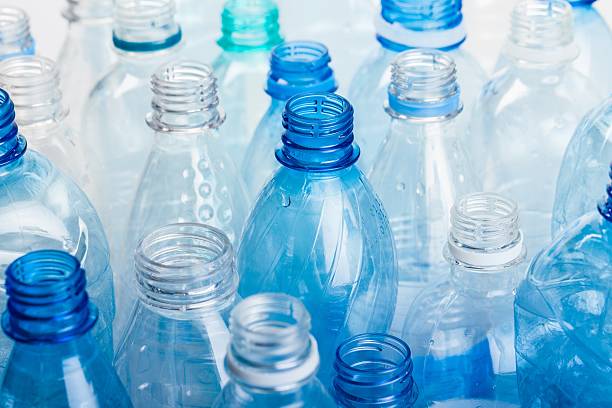
The Georgian government plans to prohibit the sale of most beverages in plastic bottles in local markets starting February next year. It comes as part of a larger strategy to reduce plastic waste.
Solomon Pavliashvili, Deputy Minister of Environment and Agriculture, said in an interview with ‘Business Partner’ that the measure is designed as a phased reform, allowing businesses time to adapt to the new regulations.
Under the planned rules, the restriction will apply to all beverages sold in plastic bottles in domestic markets, with several exceptions: edible oils and water packaged in containers larger than 10 liters will not fall under the ban; nor will products intended for export.
Pavliashvili stated that alternatives such as aluminum cans and reusable packaging are already available, and increasing public awareness will be critical to ensuring a smooth transition.
The beverages-in-plastic ban represents the final stage of an anti-plastic policy that has been gradually introduced. Since January, Georgia has already restricted the production, import and use of certain single-use plastic items in food service.
Additional steps are scheduled in the coming months. Beginning in April, plastic products will face new limitations in government procurement. From July, further restrictions will apply to plastic use in hotels, restaurants and other food service establishments.
While the regulation may initially lead to higher prices due to adjustments in packaging and supply chains, authorities expect long-term costs to decline as reusable containers replace single-use plastics.