Georgia is moving cautiously but optimistically to restore its relationship with the US after a period of tension that Georgian leaders say was caused by past US policy missteps.
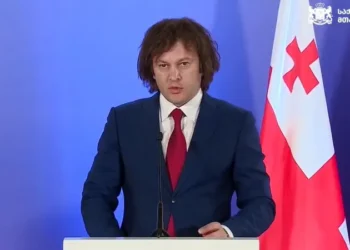
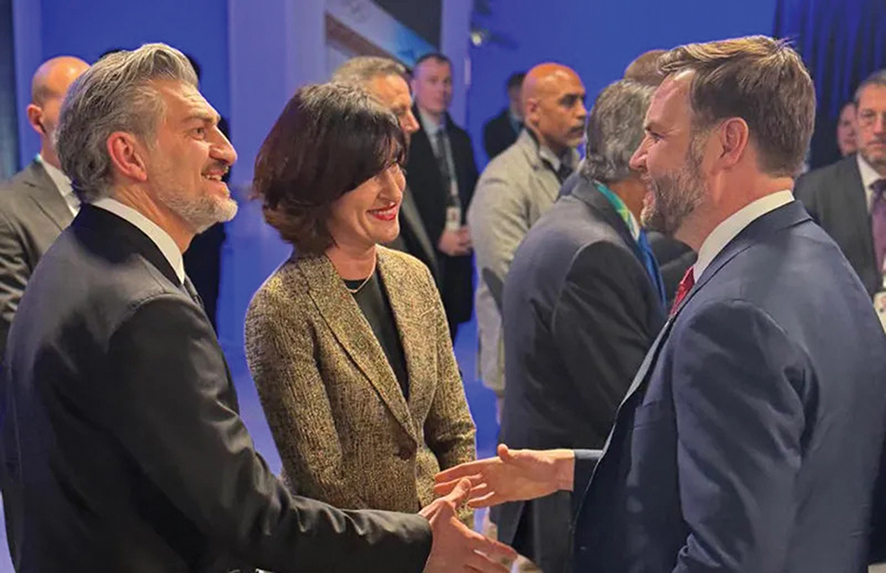
President Mikheil Kavelashvili described a series of recent meetings with US officials, including Secretary of State Marco Rubio and Vice President J.D. Vance, as both productive and candid. “We had the opportunity to speak again,” he said. “JD Vance greeted us, and then Secretary of State Marco Rubio stayed with us longer. The conversation became more substantive and business-oriented.”
During the talks, Rubio reportedly acknowledged problems inherited from the previous US administration. “He noted that the previous administration left great negativity toward Georgia. He even used an expression close to ‘stink,’ meaning a deep and damaging legacy,” Kavelashvili said. “He said they themselves realize that this approach was unrealistic and inappropriate toward our country.”
The Georgian president stressed that the US has begun taking concrete steps to address these issues.
“Last Monday, they analyzed this issue thoroughly and are now in the process of cleaning up that negativity. They need time to fully examine what happened, and in the near future, they will properly prepare for the restoration of relations with Georgia,” he said. He also emphasized that the discussions touched on shared values and the positioning of former President Donald Trump before and after winning the election, highlighting Georgia’s openness and transparency in communicating its positions to both Washington and its own society.
Kavelashvili described another symbolic moment from the trip: attending the ceremonial reception of the President of Italy at the Italian President’s Palace, where only country leaders were present. “It was particularly important for Georgian representatives to be there,” he said, noting that such engagements provided an opportunity to strengthen Georgia’s diplomatic visibility on the international stage.
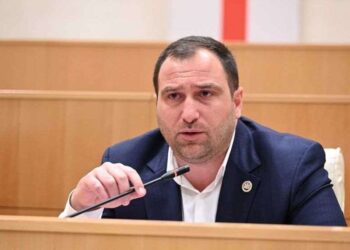
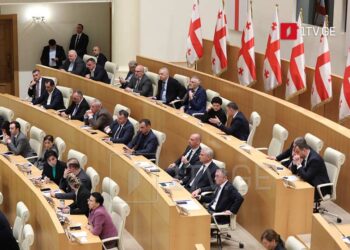
Parliament Speaker Shalva Papuashvili echoed this hope for renewal, pointing to Georgia’s longstanding commitment to NATO and US-led security efforts. He noted that Georgia has the highest per capita military losses in Afghanistan among contributing nations. “Instead of standing by us, we witnessed attempts to undermine the foundations of Georgian democracy,” he said, adding that Georgia expects the current US administration to address mistakes made by its predecessor.
From Washington, the picture is more measured. The US State Department suspended the formal strategic partnership with Georgia in 2024, citing concerns about democratic backsliding, though officials continue to reaffirm support for Georgia’s sovereignty and territorial integrity. Congressional engagement, including bipartisan legislation such as the MEGOBARI Act, underscores continued American interest in democratic accountability and Georgia’s Euro-Atlantic integration.
Despite these challenges, both sides appear committed to dialogue. Kavelashvili described the meetings as “an opportunity to speak openly,” while Papuashvili concluded: “We are ready and remain in a state of expectation.” As Georgia and the US navigate a complex history, the shared hope is clear: a renewed partnership rooted in trust, respect, and shared values.
By Team GT