A former British lawmaker has alleged that Iranian authorities may have used “toxic chemical substances” during what he described as the deadliest crackdown on protests in Iran’s contemporary history.
Bill Rammell made the claim in an interview with GB News, citing a report he said he had reviewed. “People believe some kind of toxic chemical substance has been used against protesters, causing some of the injured to lose their lives days later,” Rammell stated.
He later told Newsweek that the information was based on what he described as “credible Iranian-Kurdish sources,” while stressing that the report has not yet been independently verified.
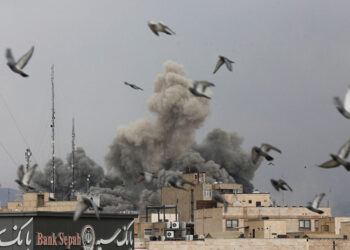
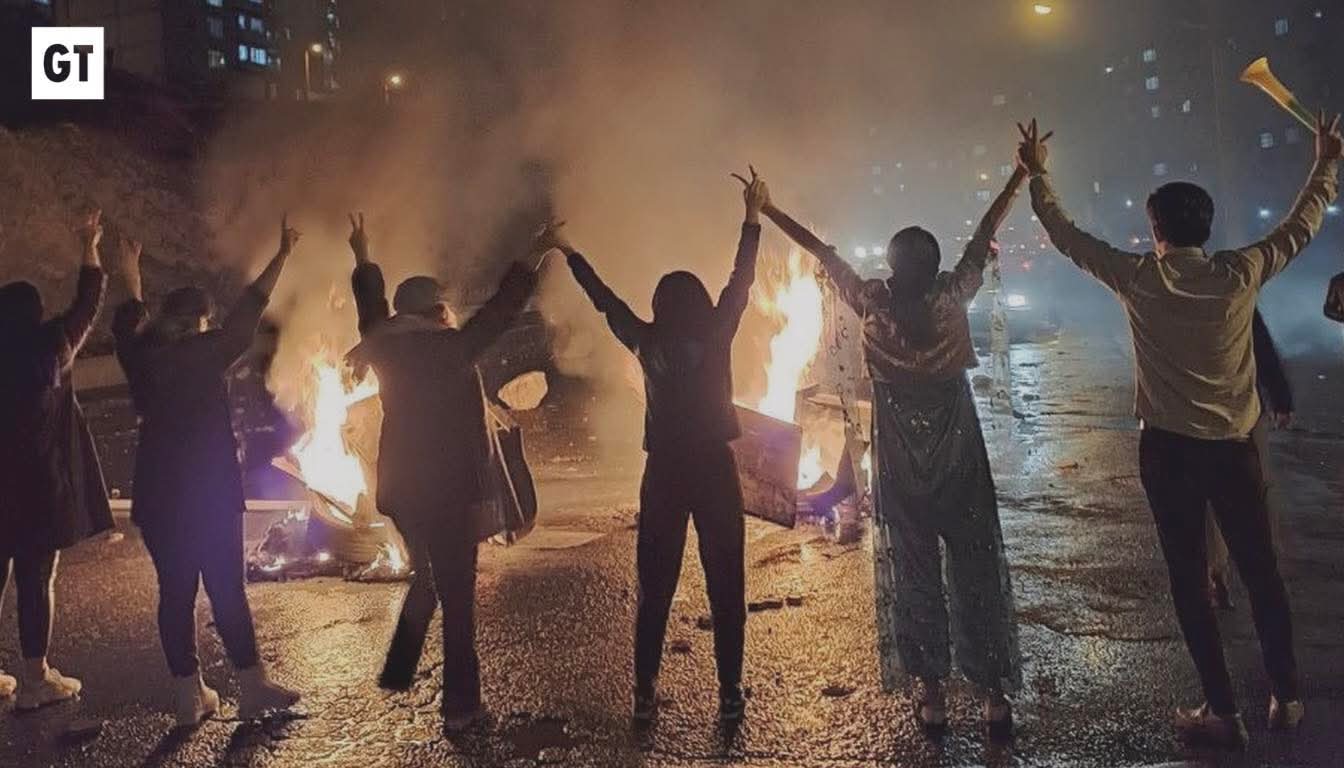
Iran has been gripped by widespread protests in recent months, sparked by political repression, economic hardship, and broader demands for civil liberties. Security forces have responded with force, leading to hundreds of reported deaths and thousands of arrests, according to human rights organizations. International watchdogs have repeatedly accused Iranian authorities of using excessive and sometimes lethal force against demonstrators.
In the past, Iranian security forces have been accused of employing banned or dangerous methods during unrest, including the excessive use of tear gas, pellet guns, and other crowd-control measures that can cause severe or fatal injuries. Allegations involving toxic chemical substances would mark a significant escalation, though no independent international body has so far confirmed such claims.
Iranian authorities have consistently denied wrongdoing, maintaining that security forces act within the law to preserve public order. Meanwhile, calls for an international investigation into the handling of the protests continue to grow, with Western governments and human rights groups urging transparency and accountability.
At this stage, the allegations raised by Rammell remain unconfirmed, but they add to mounting international concern over the scale and severity of the crackdown on protesters in Iran.
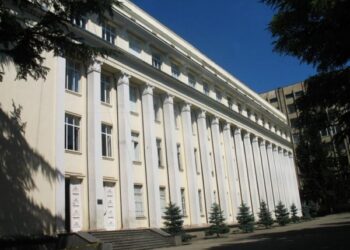
In Georgia, allegations of chemical use emerged from a BBC investigative report, which claimed that during mass protests authorities may have used an unusually strong chemical irritant mixed into water cannons. The investigation cited interviews with chemical-weapons experts, medical professionals, whistleblowers, and protesters reporting prolonged health symptoms. Georgian authorities strongly denied the claims, insisting only standard riot-control agents were used, and filed an official complaint against the BBC, which said it stands by its journalism. Calls for independent investigation followed.
In Iran, by contrast, claims about the possible use of “toxic chemical substances” come from a former British lawmaker referencing a “credible report” from Iranian-Kurdish sources. While the allegations relate to deaths occurring days after protest injuries, they have not yet been confirmed by independent investigations or international bodies.
The Georgia case stems from a detailed investigative journalism project with publicly presented sources and evidence, while the Iran allegations remain unverified and based on reported information not yet independently substantiated.