I cannot tell you my full name because if I do, they will look for me, find me, and take me, just as they have done with so many others and their families. Those who escape and speak to the international press are still at risk. So, I am Samira, and I live in Tehran.
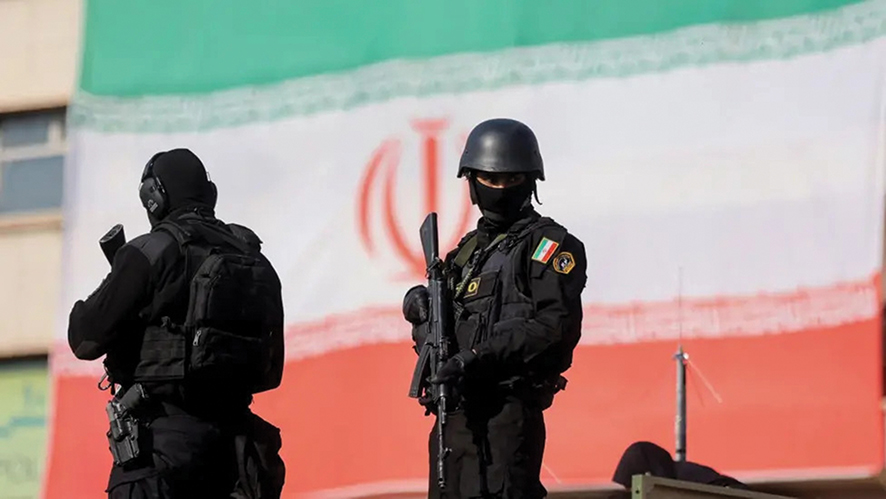
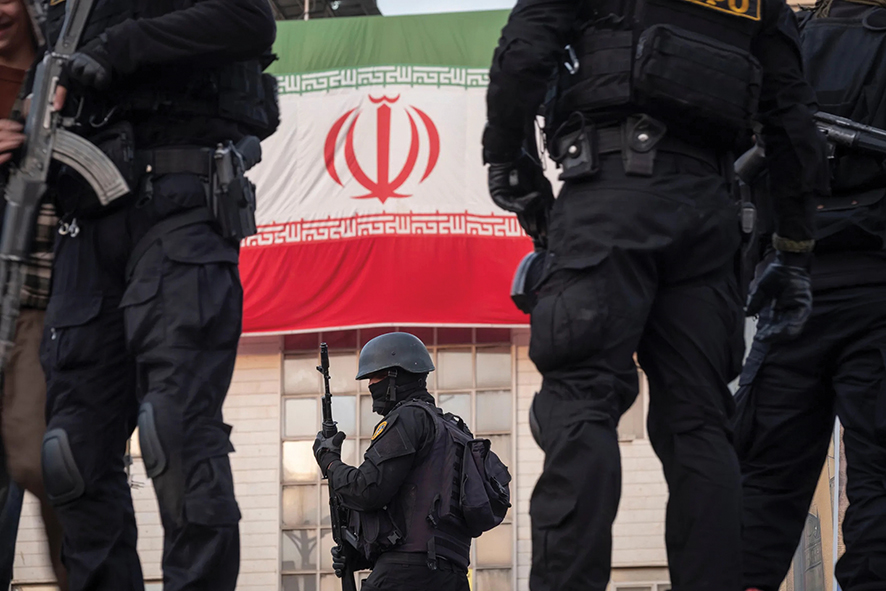
The mood on the streets is heavy and tense. People don’t talk loudly anymore, they only whisper. They look around before speaking, but there is anger simmering beneath the silence. Shops are open, so some areas feel normal, like the district we live in, but only for a few hours. Then, suddenly, security forces appear, everything freezes, and people dart to their homes like rats.
Is it safe? No. It depends on where you are, what time it is, and, honestly, your luck. Plainclothes security agents are everywhere. You recognize them by the way they shuffle about and watch people, who cannot fake their posture. Unlike everyone else, they do not seem afraid; they move around like nothing is happening. That is a clear giveaway.
Checkpoints are set up on major roads, especially at night. Police and Basij, the paramilitary volunteer militia within the Islamic Revolutionary Guard Corps, stop people at random, check phones, and scroll through Telegram, Instagram and WhatsApp. If they see protest videos, slogans, or even messages criticizing the government, you will be taken. You won’t even have a chance to notify anyone. Your family will only know something has happened if you do not come home that evening. Then they will have to search for you for days, without any official information.
Just like that, my friend was arrested and disappeared for weeks, no phone call, no information. Another friend was beaten during a protest, several ribs broken, and was too terrified to go to the hospital. Many families remain desperately quiet, fearing that speaking out will only make things worse.
If you look at your neighbors, whose child has been taken while yours hasn’t, and you see the condition in which that child is returned, if they are returned at all, and nothing has changed in the country, you think: maybe I won’t risk the safety of my family. Maybe I will stay quiet, no matter how bad it is. Even those who have been released come back changed, muted, terrified of the slightest noise. Many others are still missing. My neighbor Ali has been gone for two weeks. We don’t know where he is. His parents pray and weep day and night, hoping he is at least alive and detained, not dead.
I have seen people beaten into a bloody pulp with batons, dragged into vans from my window. You do not forget those sounds, the screaming, the shots, the chaos. Even those not protesting are exposed simply by being outside.
About Trump’s declaration that help was on the way, people here reacted with mixed emotions. Some felt a small sense of hope; others were very skeptical. We have heard so many promises before, all of them empty. People want real pressure on the regime, not words of encouragement or statements of condemnation.
You ask me if people believe that thousands of protesters have been killed. We do not just believe it: we know it. We may not know the exact numbers, but we know the regime lies through its teeth. We have seen too many deaths with our own eyes, funerals held in secret, families forced to remain silent. The government hides information, but I know of three neighbors of mine who were killed by the regime, and there are more who lived down the same street.
The regime’s claim that protesters will be publicly hanged was meant to terrify us, and it worked. My first reaction was fear; real, physical fear. I went cold imagining that something like that could happen to us or someone close to me. Then came anger and contempt. The regime wants to show that it has no limits. Well, we know that, we know there is no rock bottom to how low they will fall.
Is the crackdown working? In the short term, yes. In the long term, no. You cannot stay silent forever.
That is how it feels here: fear mixed with rage, silence mixed with resistance. We pray that God helps us and that our children will see a better Iran. We do not want them to endure even one-tenth of what we face every day.
By Anonymous