Georgian political leaders have sharply criticized the activation of the Organization for Security and Co-operation in Europe (OSCE) “Moscow Mechanism” by 24 participating states, describing it as a politically motivated initiative targeting Georgia. The mechanism, activated on January 29, enables an independent expert mission to examine alleged human rights violations, particularly developments since spring 2024.
The UK Foreign Office stated that the move was prompted by growing concerns over the country’s compliance with its OSCE human dimension commitments and international human rights obligations.
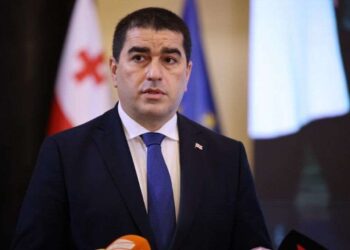
Speaker of the Georgian Parliament Shalva Papuashvili described the mechanism as an effort “to pressure and intimidate Georgia,” accusing international partners, especially Brussels, of blocking dialogue with Tbilisi. “We constantly say that we are ready for dialogue and to answer any question on any issue. In contrast, we see Brussels blocking any dialogue,” Papuashvili said.
He emphasized that the Georgian government has nothing to hide and is prepared to cooperate with international institutions, noting that no international body has formally requested access to investigative materials. Papuashvili also rejected reports alleging the use of chemical weapons in Georgia, calling such claims “false and historically unfounded,” and criticized Poland for leading the initiative, accusing its government of political bias due to prior support for former President Mikheil Saakashvili.
Parliamentary majority leader Irakli Kirtskhalia echoed these criticisms during a plenary session on February 3. He described the activation of the Moscow Mechanism as “yet another clear example of a foreign country’s interference in Georgia’s internal affairs” and accused Sweden of hypocrisy. Kirtskhalia highlighted Sweden’s rising crime, gang violence, hate-motivated incidents, and economic stagnation, arguing that the country should focus on its own challenges rather than “problems that do not exist in Georgia.” He also criticized Sweden for awarding a Freedom Prize to Georgian demonstrators, including those involved in violent protests, calling it “another gross and unfriendly act of interference in Georgian politics.”
Swedish MP Gustaf Göthberg dismissed Kirtskhalia’s claims as “entirely unfounded,” stating that Sweden’s recent crime statistics reflect ongoing reforms and that democratic practices in Sweden contrast with alleged government actions in Georgia, including suppression of protests and the use of chemical weapons.
Sweden has historically been a key partner for Georgia but suspended direct cooperation following the disputed 2024 parliamentary elections. Officials have indicated that cooperation would resume once Georgia returns to its EU integration path.
Elene Khoshtaria, a leader of the Coalition for Change, described the activation of the Moscow Mechanism as a “highly serious and significant signal,” interpreting it as a first step toward punishing the ruling Georgian Dream party over alleged use of chemical agents during crackdowns on protests. She stressed that such measures are deliberate and carefully considered by international institutions, and reflect both opposition efforts and public protest.
The OSCE mechanism follows the 2024 activation of the Vienna Mechanism by 38 states, aimed at seeking information and expressing concern over Georgia’s human rights record. OSCE participating states have called on Georgian authorities to cooperate fully with the expert mission, noting that such engagement would signal goodwill and readiness for constructive dialogue.
By Team GT