The European Union has agreed to provide Ukraine with a €90 billion loan package, aimed at supporting Kyiv’s financial stability, reconstruction needs, and continued resilience amid Russia’s ongoing war. The decision was reached following negotiations among EU member states and institutions, but notably excludes the use of frozen Russian state assets as collateral or direct funding.
EU officials said the loan will be backed by guarantees from member states and serviced through future EU budget mechanisms, allowing Brussels to deliver substantial financial assistance while avoiding legal and political risks associated with confiscating Russian assets held in Europe. The move reflects continued divisions within the bloc over the legality and long-term implications of redirecting frozen Russian funds.
The loan package is intended to help Ukraine cover budgetary shortfalls, maintain essential public services, and support economic recovery, as the country continues to face extensive infrastructure damage and defense-related expenditures. It will complement existing EU grants and macro-financial assistance already provided since the start of Russia’s full-scale invasion.
Several EU leaders emphasized that while discussions on the possible future use of Russian assets are ongoing at the international level, the current agreement prioritizes speed, legal certainty, and unity among member states. “Ukraine needs predictable and reliable support now,” EU officials said, stressing that delays over contentious funding mechanisms could undermine Kyiv’s economic stability.
The decision comes as Ukraine continues to call on its partners to make frozen Russian assets work more directly in its favor, arguing that Russia should bear the financial burden of the destruction caused by the war. While the EU has so far limited itself to using profits generated by those assets, rather than the assets themselves, the issue remains under active debate.
The €90 billion loan underscores the EU’s long-term commitment to Ukraine, signaling that financial backing will continue even as discussions over more controversial funding sources remain unresolved.
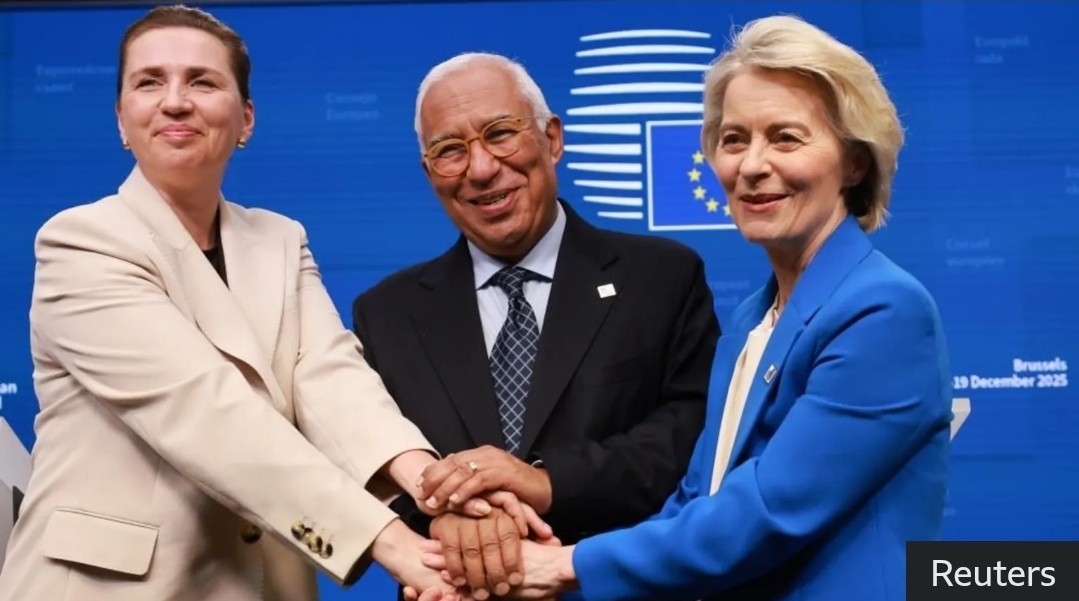
Image: Reuters