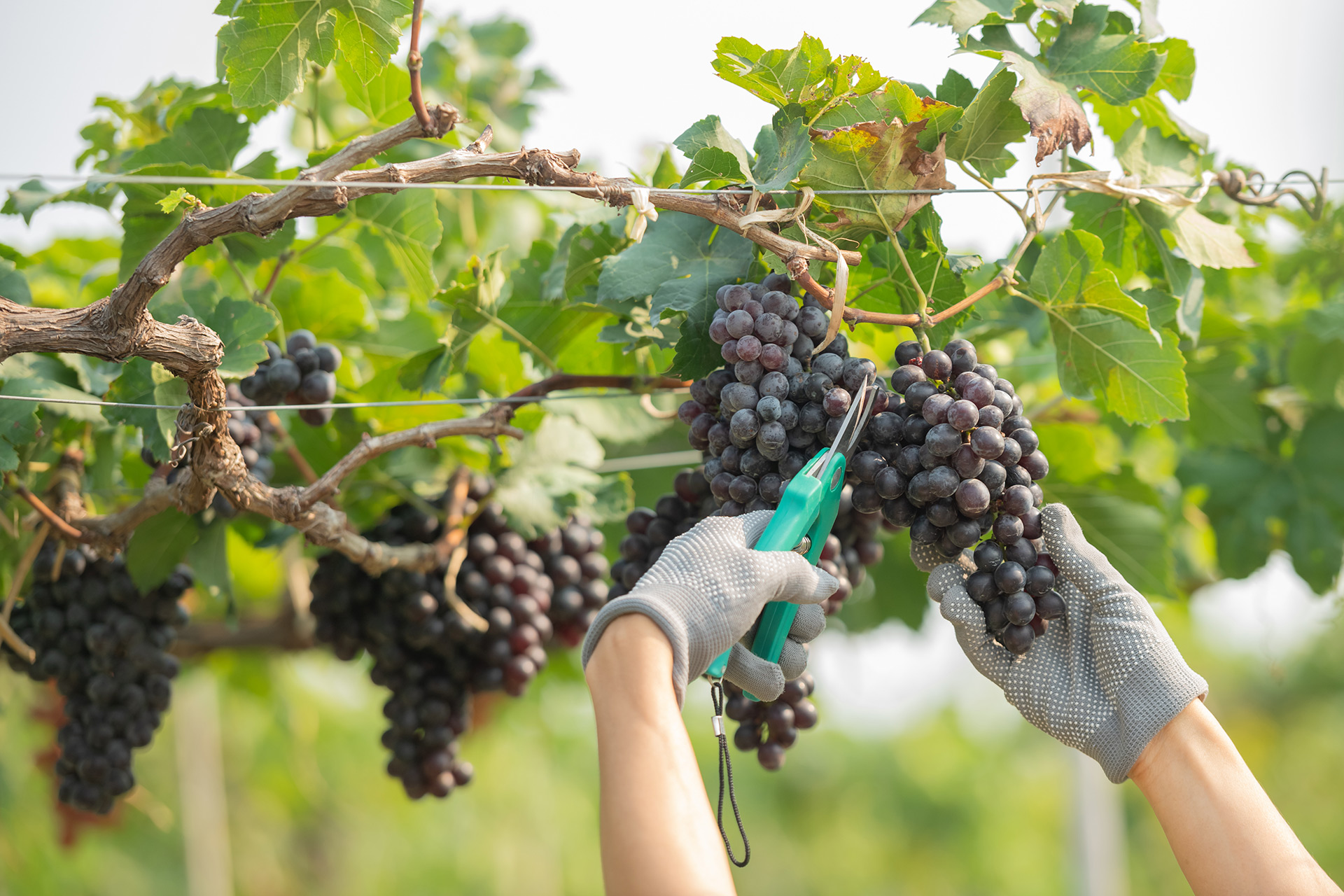
Under the EU- and Sweden-funded ENPARD IV program, the Food and Agriculture Organization of the United Nations (FAO) has completed the first cycle of its Training of Trainers (ToT) program in Georgia and has already launched a new round of training. The initiative is designed to enhance food safety standards and promote integrated vineyard management practices across the country.
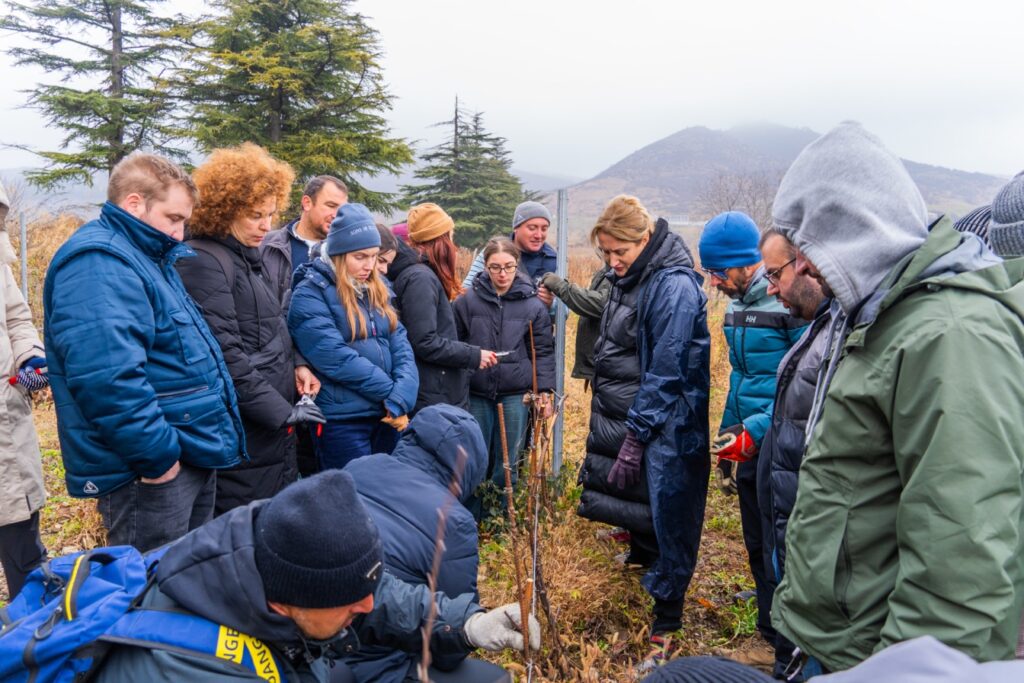
The program focuses on strengthening the technical knowledge and practical skills of viticulture professionals, combining classroom-based learning with hands-on vineyard activities. Two distinct groups of specialists participated in the recent training cycles.
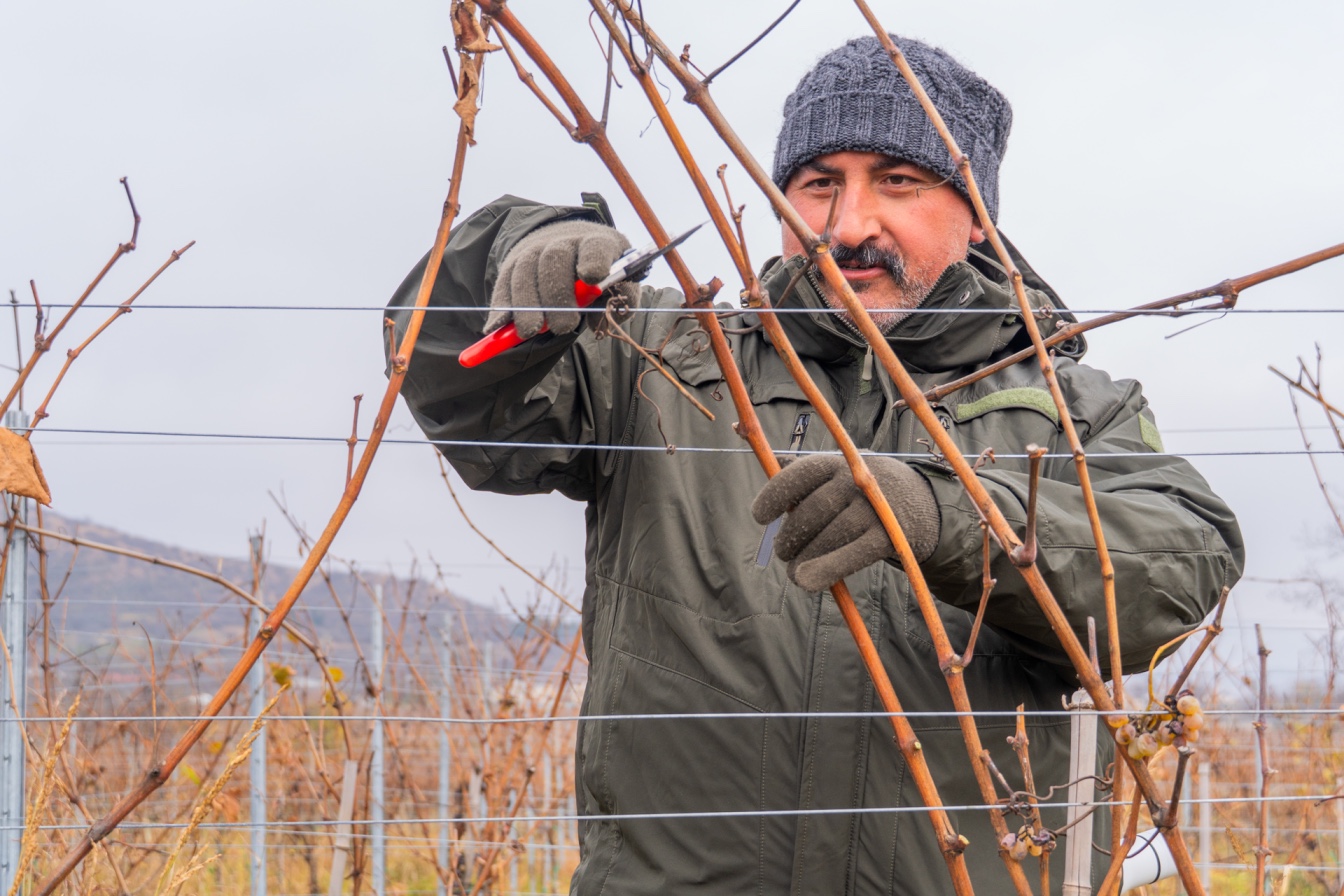
The first group consisted of 13 viticulturalists who completed a year-long ToT program. Their training included winter and green pruning practices, along with 11 theoretical modules covering integrated vineyard management. In addition, participants took part in a three-day practical training focused on soil assessment, irrigation planning, fertilization strategies and other essential vineyard management techniques.
Alongside this, a second newly established group of 21 specialists participated in an intensive five-day program. This training concentrated on winter pruning, vine formation and grapevine physiology, providing participants with targeted technical knowledge in a condensed format.
FAO representatives emphasized the broader significance of the initiative for Georgia’s wine sector. Tamari Otkhmezuri, FAO National Agronomy, Wine and Extension Specialist, emphasized that integrated vineyard management is critical for both environmental and financial sustainability and is a main step toward aligning Georgia’s wine industry with European Union standards. She noted that the Training of Trainers approach ensures long-term impact.
FAO Program Manager Guido Agostinucci mentioned the importance of building technical capacity to enhance food safety and competitiveness in Georgia’s viticulture and wine sectors. He stressed that EU and Swedish support enables winemakers to adopt sustainable practices and comply with EU food safety requirements.
Denis Reiss, Program Officer for Sustainable Food Systems at the EU Delegation to Georgia, pointed out that ToT participants play a pivotal role in disseminating best practices. Positioned between European expertise and local knowledge, these specialists help promote sustainability and quality standards that respond to growing consumer demand.
In addition to in-person training, FAO has supported the development of Georgian-language online video courses covering modern grapevine winter and green pruning and vine formation techniques. Interested viticulturalists can still access these digital learning resources by completing a registration form.
The ENPARD program has been supporting rural development in Georgia since 2013, with the goal of reducing rural poverty and strengthening agricultural potential. Since 2021, with added support from Sweden, ENPARD IV has placed a stronger emphasis on food safety, with FAO and the Czech Development Agency serving as the main implementers of this component.