What does it take for a country to signal that it’s ready for its next chapter in global tourism and business? This autumn, Georgia answered with a wave of new flight announcements that lit up its aviation sector and hinted at bigger ambitions on the horizon. Throughout October and November, airlines from Europe to Asia set their sights on Georgia, strengthening the nation’s role as both a travel destination and a strategic connector between regions. Here is how the country’s skies are changing—and what it means for the travelers, businesses, and communities on the ground.
Wizz Air Adds Venice and Bratislava, Deepening Its Kutaisi Base
Wizz Air, Georgia’s most active low-cost carrier, has once again placed Kutaisi at the center of its broader regional strategy. The airline will launch a new direct service from Kutaisi to Bratislava on 12 January 2026, with flights operating four times a week and ticket prices that some report start at 99 GEL.
Salvatore Gabriele Imperiale, Wizz Air’s Corporate Communications Manager, describes the new service as a bridge between “two historic, culture-rich cities,” opening Central Europe to Georgian travelers at a wallet-friendly price.
At the same time, Wizz Air continues to grow its footprint with the upcoming Venice–Kutaisi–Venice route, beginning 2 December 2025 as part of the winter navigation season.
With these additions, the carrier now operates around 72 weekly flights across 23 destinations from Georgia. Its operational results underline why it has become synonymous with Georgia’s low-cost travel boom: since entering the market in 2012, the airline has transported nearly nine million passengers to and from the country.
Norwegian Airlines to Connect Copenhagen and Tbilisi for the First Time
Beyond Europe’s low-cost sphere, new players are entering Georgia’s aviation market for the first time.
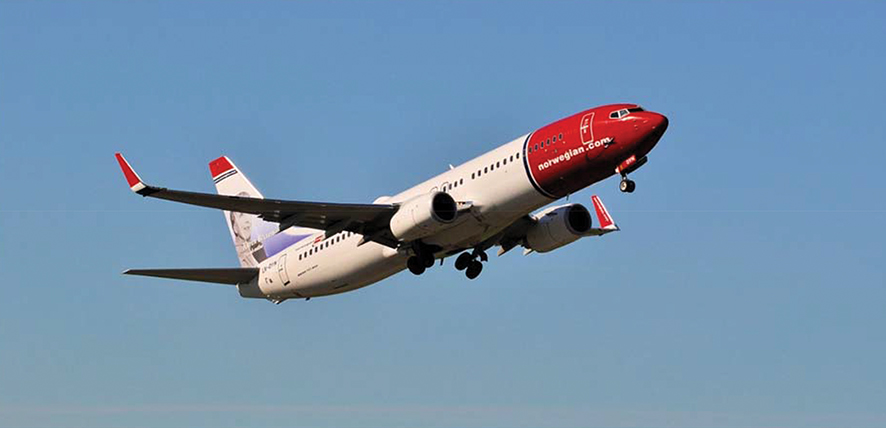
Norwegian Airlines is preparing a debut that has been talked about for years but never realized—direct flights between Copenhagen and Tbilisi.
Beginning 27 June 2026, Norwegian will operate the route twice a week, creating the first-ever direct connection between the two capitals. Until now, only Kutaisi had offered flights to Copenhagen.
The arrival of Scandinavia’s second-largest carrier is being hailed as a strategic win: officials expect the link to attract high-spending travelers from Northern Europe, support tourism revenues, and broaden Georgia’s visibility in a region where direct access has been limited.
Condor Returns: Daily Frankfurt Flights Start June 2026
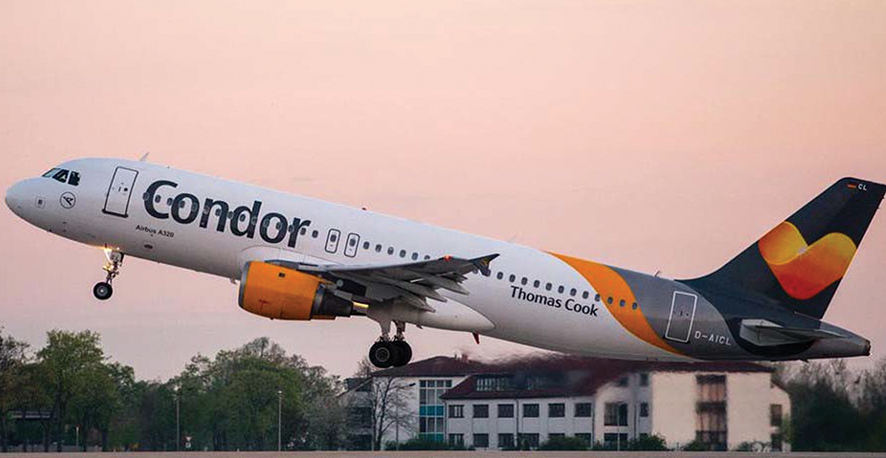
Germany’s Condor Airlines is also returning with renewed strength. After a two-year absence, Condor will resume flights between Frankfurt and Tbilisi on 15 June 2026—this time as a daily service, a significant upgrade from its twice-weekly schedule in 2022–2023.
Frankfurt’s status as one of Europe’s largest transit hubs means more seamless connections to North and South America, the Caribbean, and the rest of Europe.
For Georgia, this return underscores Germany’s importance as a target tourism market and signals Condor’s confidence in the country’s aviation recovery and long-term potential.
Air China Adds Beijing–Tbilisi via Ürümqi: A New Era in East–West Connectivity
Looking east, Air China’s upcoming Beijing–Tbilisi service marks one of the most symbolically meaningful steps in Georgia’s growing diplomatic and economic ties with China.
Starting 2 December, the airline will operate twice-weekly flights via Ürümqi. The route follows the Georgian Prime Minister’s official visit to China and the signing of a memorandum to advance the “Air Silk Road,” an initiative designed to deepen cooperation and expand liberalized air corridors.
Air China already flies twice weekly between Tbilisi and Ürümqi, carrying more than 25,000 passengers in the first ten months of 2025 alone.
The Beijing extension signals a belief that Georgia’s role as a connector between Europe and Asia is strengthening.
AJet Connects Ankara and Tbilisi with Warm Diplomacy and Full Flights
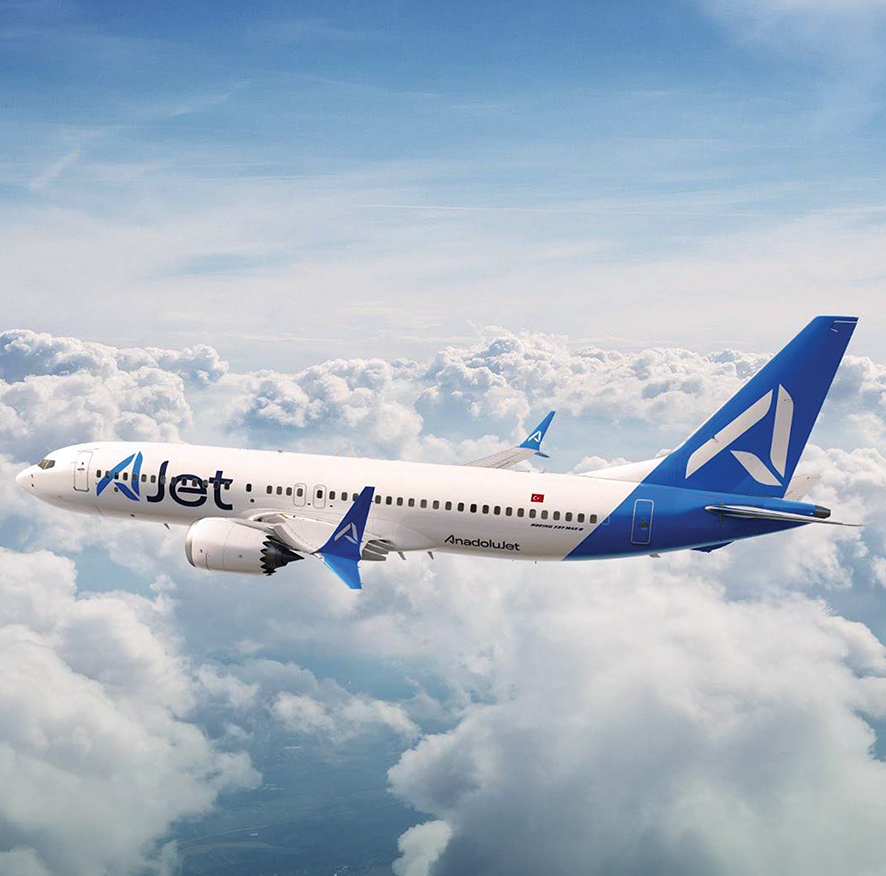
Closer to home, AJet—the low-cost arm of Turkish Airlines—has launched direct flights between Ankara and Tbilisi, flying four times a week. Its inaugural arrival was welcomed with a ceremony attended by high-level officials from both countries, reflecting the importance of Turkey-Georgia aviation ties.
Turkey remains Georgia’s busiest air partner: in 2024, more than 1.2 million passengers traveled between the two countries, representing nearly half of Georgia’s total cross-border passenger flow with its neighbors.
AJet’s entry reinforces a partnership that has long blended tourism, trade, and regional mobility.

A Strategic Lift for Business and Tourism
All these developments come at a moment when Georgia’s aviation sector is experiencing record growth. In the first eight months of 2025, the country’s airports handled 24,915 flights—15% more than the same period a year earlier. Passenger traffic reached 5.6 million, a 14% rise year-on-year. Across Tbilisi, Kutaisi, and Batumi, roughly 700 scheduled flights now operate every week. The numbers tell a story of growing demand, but they also reflect a deliberate strategy: expanding air connectivity to unlock new tourism markets, support business travel, and position Georgia as a crossroads between continents.
The latest wave of route announcements is more than logistical progress. It represents new opportunities—for travelers seeking fresh destinations, for businesses looking to connect with global partners, and for a tourism industry that continues to evolve with ambition. Georgia is not simply adding flights; it is widening its horizon. And this fall, the message was unmistakable: the country is ready for takeoff.
By Team GT