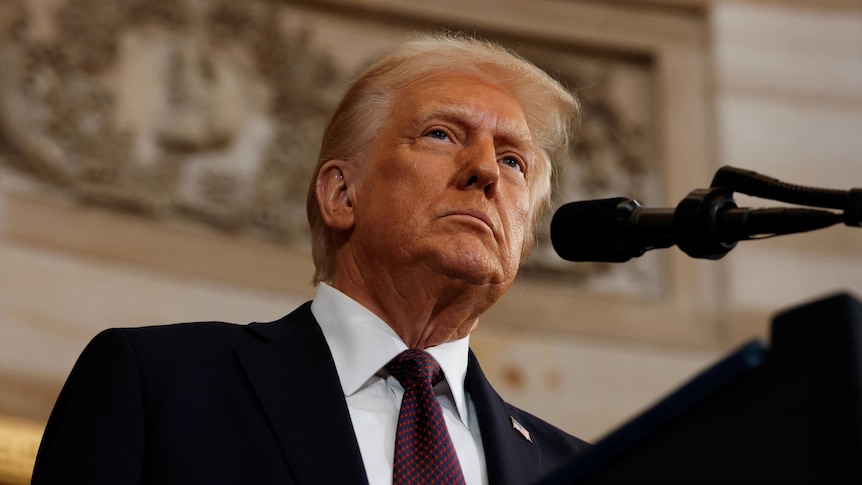
US President Donald Trump has conceded that ending the war in Ukraine has proven far more difficult than he initially believed, expressing disappointment in Russian President Vladimir Putin for not following through on assumptions tied to their personal relationship.
Trump made the remarks during a recent joint press appearance in the UK with Prime Minister Keir Starmer, where he said he had expected a quicker resolution. “The one that I thought would be easiest would be because of my relationship with President Putin. But he’s let me down — he’s really let me down,” he told reporters.
Earlier this year, Trump emphasized using personal diplomacy and pressure to broker peace between Ukraine and Russia. He has repeatedly proposed direct meetings involving Volodymyr Zelensky, Russia, and US-mediated talktalks.
Despite those efforts, several deadlines and calls for ceasefires or peace proposals have passed without concrete results.
Trump has also linked solving the conflict to lowering Russia’s revenue from oil exports, arguing that if Europe and NATO reduce or halt purchases of Russian energy, it would force leverage in negotiations.
The UK and other European countries have been under pressure to toughen sanctions on Russia, both economically and diplomatically. Some cooperation has emerged, but disagreements remain over energy trade and the consistency of sanctions.
Trump’s admission underscores the challenges of diplomacy, especially in major international conflicts. His expectations — that his rapport with Putin could accelerate peace — have been complicated by:
-
Geopolitical realities: Russia’s actions (ongoing military operations, strategic aims) have not aligned with the idea of a rapid settlement.
-
International dynamics: Varying degrees of support and action from NATO allies and European states have made collective pressure uneven.
-
Strategic leverage issues: Dependence on Russian energy, logistic constraints, and commitment to Ukraine’s demands have all weighed heavily.
President Trump’s public disappointment with Putin reveals the gap between diplomatic optimism and the complexities on the ground. As analysts note, peace is not just about talks — it requires sustained pressure, alignment of allies, strong negotiation leverage, and credible consequences for failure to comply.
Header image: Reuters: Chip Somodevilla