The premiere of a new stage adaptation of The Knight in the Panther’s Skin at the Rustaveli National Theater on April 5 has triggered mixed reactions and widespread public debate in Georgia, with some critics accusing the production of “devaluation of national values.”
The performance, directed and staged by renowned Georgian theater director Robert Sturua, offers a reinterpretation of Shota Rustaveli’s 12th-century epic — a cornerstone of Georgian cultural identity and literary heritage.
Speaking about the production, Sturua described the play as a poetic transformation rather than a traditional adaptation.
“Today it is very good — it should be even better. What I had envisioned… I don’t know. What came out is what was meant to come out, guided by the muses. It’s not that everything is pre-planned — I don’t even fully know what I am doing. This is a poetic translation, so to speak — I have transferred the work of a genius poet into the poetry of theater,” Sturua said in a video shared by journalist Maka Razmadze.
Despite the director’s artistic framing, the production has been met with strong criticism from parts of society. Critics argue that the reinterpretation distorts or diminishes the traditional values associated with Rustaveli’s work, which holds a near-sacred place in Georgia’s national consciousness.
The Knight in the Panther’s Skin, written in the 12th century, is widely regarded as a defining piece of Georgian literature, celebrated for its themes of chivalry, friendship, love, and moral philosophy. Its cultural significance has made any reinterpretation particularly sensitive, often sparking intense public discourse.
Supporters of the production, however, emphasize the importance of artistic freedom and contemporary reinterpretation of classical works, arguing that theater should evolve and engage modern audiences through new forms and perspectives.
The debate surrounding the Rustaveli Theater production reflects broader tensions in Georgian society between preserving cultural heritage and embracing artistic experimentation.
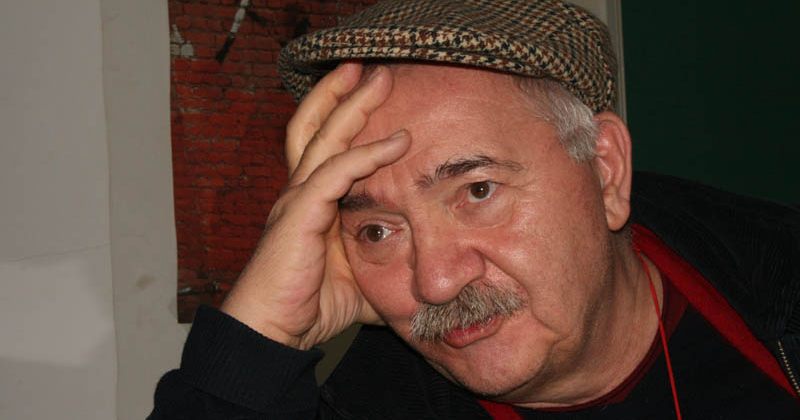
Image: Robert Sturua/Tabula.ge