How true, how true, how very, very true! The life around our mysterious Globe is so unsettlingly compounded and accelerated that its vital components need to undergo some kind of reform almost on an everyday basis. Nothing old is working anymore! Sakartvelo is no exception to that rule, and life here also needs frequent changes. Hence the indispensability of the ongoing educational reform – the system is not compatible with the exigencies of the modern world, and it needs to be altered.
This is where we are stuck, and we can’t do anything about it except act. The bad news is that the reform is being implemented by regular humans who are not flawless. Now, the attainable aim is to make a smaller number of mistakes and do the maximum number of right things that will work at least in the next couple of decades. Yes, another reform of education might very well be required very soon because things are changing around us in just two shakes of a lamb’s tail. There is huge talk out there in the country about the reform of the education system; hundreds of hours are spent on debates – some of them to the point, but some of them futile. Meanwhile, this society has four main things to consider and agree upon: what to do specifically, how to do it, what the result would be, and how much it will cost the country, premeditating and recalculating every detail of the process. And the core of the entire deal has to be just one little but very important thing: what matters most is not the merger or separation of educational institutions, not the abolition of old and introduction of new departments, not the number of faculty members or the student body, but whether those institutions are capable of selling knowledge that might be easily translatable into human wellbeing. Period!
Based on current trends, research, and expert consensus, the widest possible interpretation of modern educational demands is fast moving away from what we have now in Georgia and toward preparing learners for an unpredictable future. The new system has to be ready to provide new cognitive and behavioral skills and human capabilities that artificial intelligence cannot easily replicate. So far! The incipient system of education must (Must!) be concentrated on critical thinking and problem-solving, creativity and innovation, collaboration and communication, resilience and adaptability. This is what we have to be talking about during our debates on the subject, not about our current political pains in the neck, which distract the public from the core of the problem. Not even once in those long, mouth-foaming debates have I heard a single word about so-called lifelong education. Incidentally, I wrote a solid-size book about this unique modern educational phenomenon years ago, clearly interpreting our current educational issues and specifying the ways of improvement. I am compelled to emphasize here that by education and life experience I happen to be a pedagogue with a doctoral degree in the field. That’s why I dare talk this much about enlightenment.
In the time of the augmented advent of Artificial Intelligence and who-knows-what in the nearest future, we can no longer afford a one-size-fits-all type of learning, which has to be replaced by systems that tailor education to the individual’s pace, interests, and needs, plus personal tutorship, providing real-time instruction and feedback, adaptive learning, and relevant administrative support, giving teachers a chance to focus on mentorship – meaning that a teacher’s utmost job will have to be not just explaining material but teaching what to learn and how. Revaluing the teacher is also inevitable, meaning that they will have to be transformed from primary knowledge sources into facilitators, mentors, and coaches, using learning analytics to identify gaps and tailor interventions, extensively and dexterously using technology to free up time, allowing teachers to prioritize motivation, mentorship, and social connection. The blending of physical and digital spaces, creating hybrid and immersive environments, should also be a structural necessity, making abstract concepts concrete and fathomable.
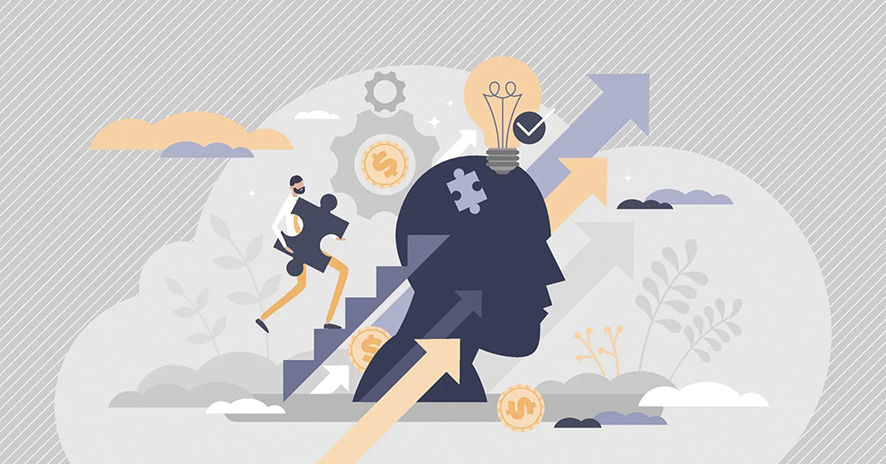
In summary, the widest interpretation of modern education is a continuous, personalized ecosystem that leverages technology to foster human, ethical, and creative potential in an interconnected world. These, and much more, are the inevitable issues that we have to be talking about during the public debates on educational reform, not politically motivated personal ambitions and aspirations – this, in case we truly want to change something toward improving the ways we enlighten our youth. This is exactly what my title says today – genuinely powerful education is no longer asking for restricted areas in which to learn and is not oriented toward limited programs and formal diplomas. There is something more enigmatic about today’s educational values, and if the ongoing reform catches the spirit of that, it will definitely have a chance to triumph.
Op-Ed by Nugzar B. Ruhadze