On a winter evening in Paris, the lights dim inside the auditorium of the Fondation Jérôme Seydoux-Pathé. A pianist settles at the keyboard. The first flicker of monochrome images fills the screen: mountains, fortresses, faces carved by wind and time. For a few hours, silence speaks Georgian.
From February 4 to March 3, the foundation is hosting Georgian Silent Cinema: Mirror of a Nation, an unprecedented retrospective dedicated to Georgia’s silent-era cinema. Presented as a special “Carte Blanche” to the National Film Center of Georgia and the National Archives of Georgia, the program gathers nearly 20 restored works, forming a sweeping portrait of a film culture that flourished in the 1920s and early 1930s.
Among the centerpieces is Eliso (1929) by Nikoloz Shengelaia, a tragic love story set against the dramatic expanse of the Caucasus Mountains. The film’s windswept ridges and choreographed dance sequences are not just picturesque flourishes; they carry the emotional weight of displacement and cultural tension. Nearly a century later, its visual lyricism feels strikingly modern.
Equally rooted in national myth is The Fortress of Suram (1922) by Ivan Perestiani. Drawing on a well-known Georgian legend about sacrifice and destiny, the film combines folklore with early cinematic spectacle. Its tale of a fortress that cannot stand without human sacrifice resonates as both myth and metaphor, a reflection on the cost of survival for a small nation at the crossroads of empires.
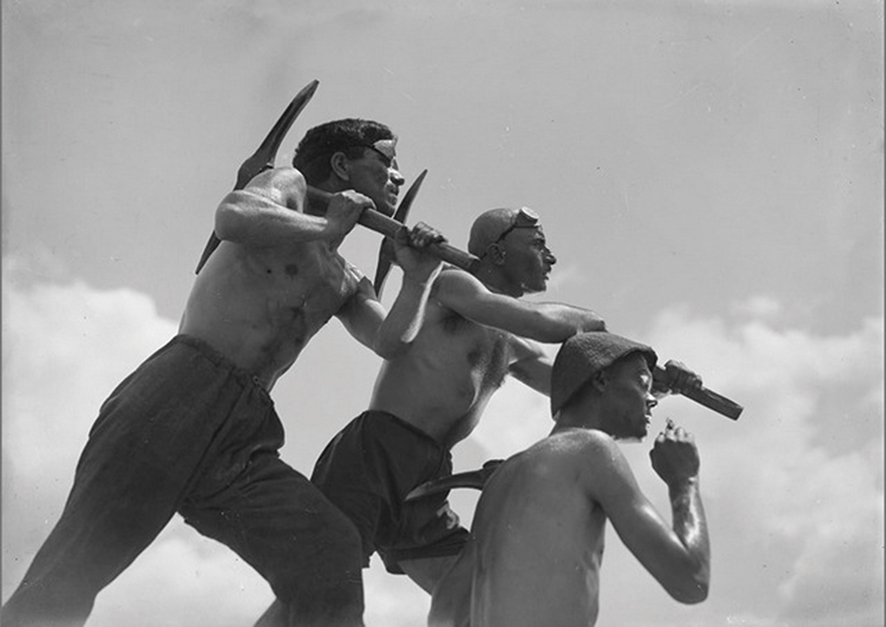
The retrospective also highlights the social and political currents that shaped Georgian filmmaking in the early Soviet era.
In Who Is to Blame? (1925), directed by Alexandre Tsutsunava, personal drama collides with social upheaval. Tsutsunava, one of the pioneers of Georgian cinema, was known for adapting literary and theatrical traditions to the screen, and his work bridges pre-revolutionary storytelling with emerging Soviet themes.
Meanwhile, Step Aside! (1931) by Mikheil Chiaureli offers a more satirical lens. With sharp humor and brisk pacing, the film captures a society in transition, where tradition and modernity jostle uneasily. Its comedic tone is a reminder that Georgian silent cinema was never solely solemn or propagandistic; it could be playful, ironic and self-aware.
A different kind of intensity emerges in The God of War (1925) by Efim Dzigan, a war drama reflecting the turbulence of the post-revolutionary years. Stark imagery and heightened emotion underline how closely early filmmakers engaged with the violence and uncertainty of their time.
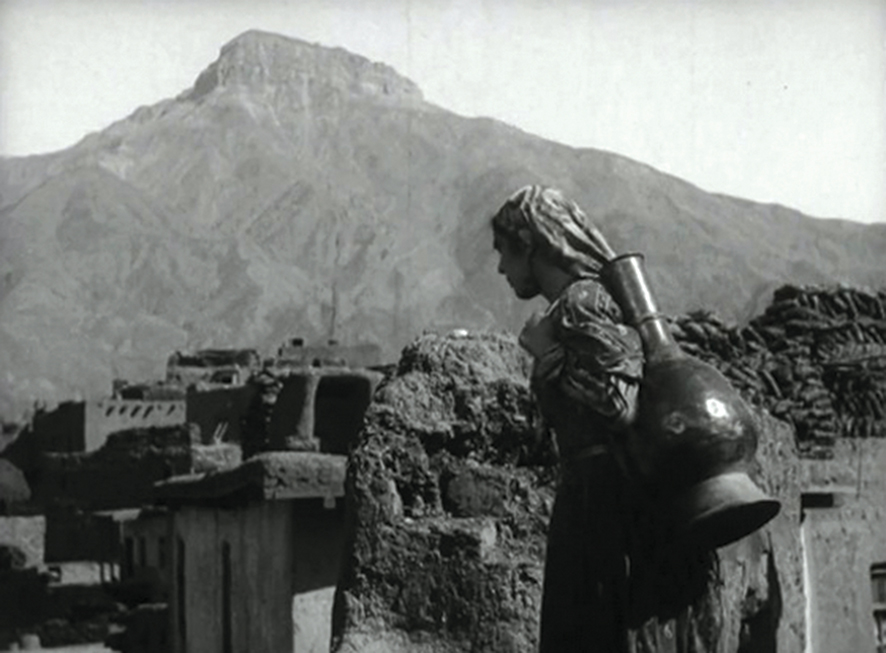
One of the program’s most internationally celebrated titles is Salt for Svanetia (1930) by Mikhail Kalatozov. A documentary portrait of life in the remote mountain region of Svaneti, the film blends ethnographic observation with avant-garde montage. Harsh winters, isolation and ritualized labor unfold in compositions that are as poetic as they are political. Long before Kalatozov would gain global recognition, this early work announced a bold cinematic voice.
The retrospective also includes dedicated documentary programs and a focus on Nutsa Gogoberidze, recognized as Georgia’s first female filmmaker, an important gesture toward restoring women’s contributions to early cinema history.
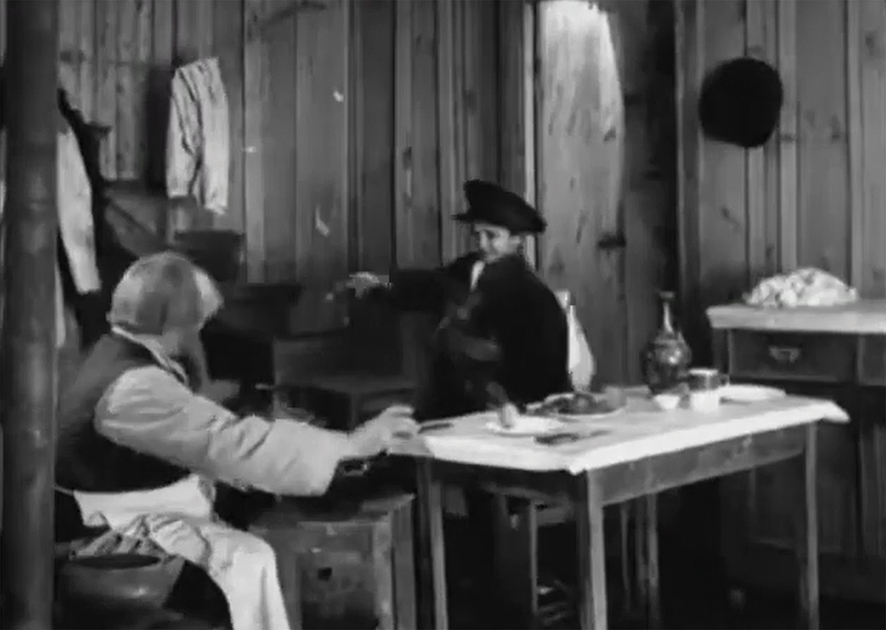
Beyond art-house landmarks, the selection embraces popular genres that once drew large audiences.
The Red Imps (1923), also directed by Ivan Perestiani, delivers youthful adventure with flair, while Khanuma (1926) by Alexandre Tsutsunava adapts a beloved theatrical comedy, capturing the rhythm and wit of Georgian stage tradition.
These films reveal a vibrant industry experimenting with storytelling forms, from folklore and revolutionary drama to satire and family adventure, all within a single transformative decade.
Crucially, every screening at the Fondation is accompanied by live music, restoring the original spirit of silent film exhibition. In the 1920s, silence was never absolute; pianists and small ensembles shaped the emotional architecture of each scene. In Paris, musicians once again respond in real time to gestures, glances and sweeping landscapes.
The result is not a museum piece, but a living encounter.
By Team GT