In the 21st century, cities have become more than places where we simply live and work. They shape how we feel, how we behave, how we connect to others, and ultimately how we understand ourselves. Our emotional climate — tranquility, stress levels, sense of belonging or alienation — is inseparable from the streets we walk, the public spaces we use, the greenery we see, and the pace at which our surroundings move.
Today, the world’s major cities face a dual challenge: rapid development driven by economic ambition, and the rising need to protect citizens’ mental health and quality of life. How can cities grow without losing their soul? How can they remain livable in an era of congestion, pollution, overheating, and economic pressure? And what should Tbilisi — a city rich in history yet struggling with chaotic growth — do to meet these challenges?
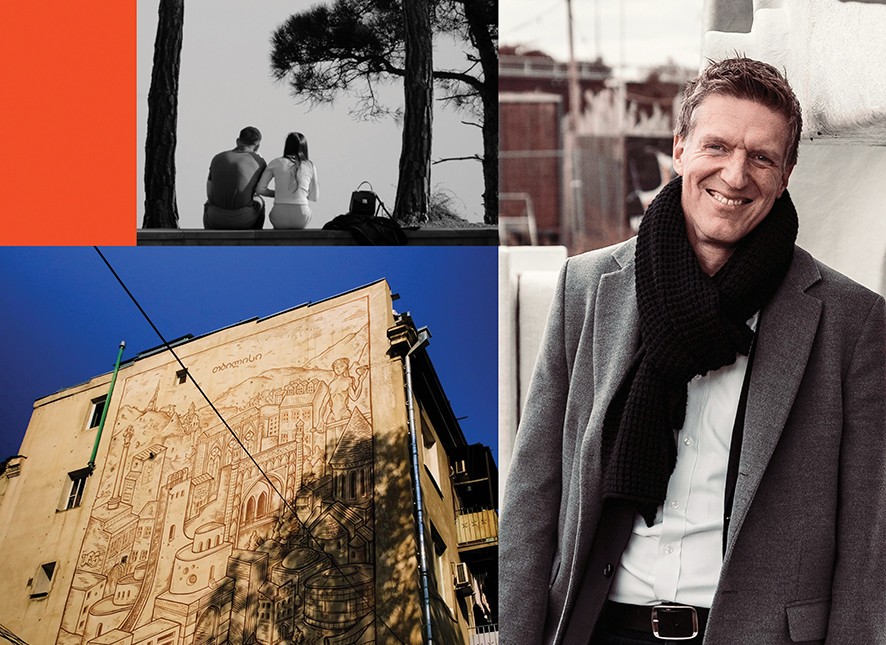
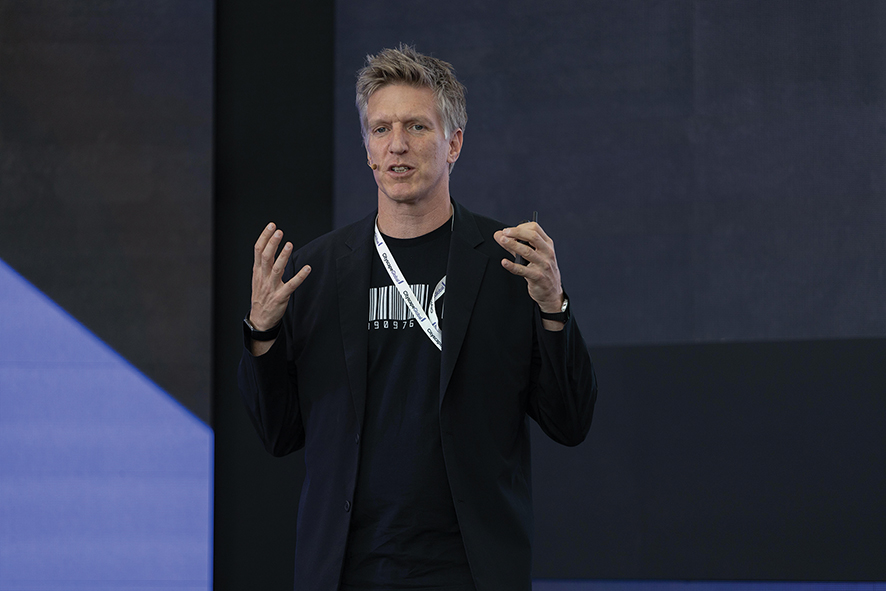
To explore these questions, we spoke with Markus Appenzeller, urbanist, architect, and Director of MLA+, whose work spans Europe, Asia, and the post-Soviet region. His insights connect global trends with Tbilisi’s unique urban “DNA” and its future trajectory — including the potential of districts like Temka to become healthier islands within the capital.
What influence does a city have on a person’s psycho-emotional state?
A huge one. Wherever you go, you can tell whether a person lives in a city, a village, or the countryside — the environment shapes habits, routines, behavior. Every city has its own “DNA,” formed by the people living in it, and that DNA affects how we interact, how we move, how we behave socially and economically. When we enter a new city, the city tells us how to act before we even start shaping it ourselves.
How important is a city’s emotional atmosphere today?
More important than ever. Covid-19 made our worlds smaller — suddenly our homes, neighborhoods, and local public spaces became our entire universe. People realized how much their well-being depends on clean air, quality public space, social interaction, and the feeling that a city cares about them. A healthy emotional city is one with accessible public spaces, low pollution, and a sense of shared life.
If we imagine an ideal city, what should it feel like for its residents?
I don’t believe in one “ideal city.” The best cities are shaped by the people who live in them. What matters in one place may not be relevant elsewhere. A very green city doesn’t long for greenery. A city with little pollution doesn’t prioritize air quality. What matters is whether a city addresses the real needs of its residents at that specific place and time. A city should serve its people, not an abstract ideal.
When did the emotional and psychological impact of cities become a major theme of modern urbanism?
It appeared at different times in different regions. In Western Europe and North America, the discussion started in the late 1970s, when pollution and public health became urgent issues. As societies grew wealthier, people begin seeking more than economic security — they want healthy surroundings, leisure, and quality of life.
In Eastern Europe, this conversation started after the end of the Cold War; in China around 2005–2010; and today India is increasingly aware of environmental and emotional well-being. When a society’s basic needs are met, mental and emotional needs enter the agenda.
How would you characterize Tbilisi from this perspective?
Tbilisi is at a defining moment. People complain about traffic and overcrowded streets, while at the same time car ownership is still seen as a symbol of success. These opposing forces — dependence on cars vs. demand for better mobility — collide. This is exactly the moment when awareness emerges: people begin expecting healthier, more comfortable living environments.
But cities also live with the long-term consequences of past decisions. Once you build infrastructure, it shapes the next 50–100 years. Many Western cities are still undoing car-focused decisions from half a century ago. Tbilisi’s leadership must be conscious about this — the choices made today will define the city for generations.
How does an emotionally healthy city develop?
By involving its residents. Not a city “made for people,” but a city made with people. This doesn’t mean citizens do everything themselves — it means they participate in decision-making, discuss priorities, and help determine how limited public funds are used. Individuals, businesses, community groups — all should have a voice. When people take part, the outcome is more accepted and more sustainable.
Where is the balance between rapid development and emotional well-being?
Rapid development tends to overlook details, nuance, and slower processes. Cities should seize opportunities for development but must consciously leave space for flexibility and community involvement.
That can mean:
• Creating a basic public-space network first, then enriching it over time.
• Including community spaces in new commercial projects.
• Leaving “placeholders” — open areas that can later be transformed based on community needs instead of everything being fixed too early.
Building everything at once eliminates the chance for communities to grow, respond, and adapt. Leaving room for slower, smaller processes is essential.
What does “conscious urbanism” mean?
It means understanding for whom a city is made — and how to meaningfully involve them. This includes people often forgotten by planning systems: migrants who don’t speak the local language, marginalized groups, people living informally.
Cities thrive on layers of informality — street vendors, small markets, kiosks, spontaneous public life. These elements make cities human and vibrant. Planning often tries to formalize everything, but cities also need space for informal life. Tbilisi is rich in this regard, and preserving these layers is crucial.
How can Tbilisi preserve a sense of peace and emotional balance, despite the rapid development?
By involving people — genuinely. Residents understand that large projects come with big private money and certain limits. But transparency about what is open for discussion and what is not is essential. People don’t need control over everything; they need honesty and agency.
Include them in what they can influence:
• design of public spaces
• local functions
• cultural or community elements
If authorities pretend to listen but ignore residents, conflict is inevitable. If they communicate openly, projects proceed more smoothly and people feel ownership.
What role do public and green spaces play in a city’s emotional health?
A fundamental one. Public space should be the primary container of public investment — streets, parks, squares. Everything else is private property.
Public funds should:
• improve public space
• build inclusive, accessible, shared environments
• keep infrastructure—water, power, sewage—in public ownership
• create spaces where everyone can gather without barriers
When done well, public spaces become the city’s living room: political gatherings, celebrations, everyday joy. They are the places that belong to everyone.
What are the main challenges cities face today, and how should Tbilisi respond?
Three stand out:
1. Housing affordability: Every global city struggles with this. Solutions include:
• rent regulation or tax incentives
• building more housing
• public housing programs
• requiring developers to include affordable segments
2. Climate change and environmental resilience: Tbilisi will need:
• more shade and greenery
• better stormwater management
• measures against landslides and extreme weather
Climate adaptation is slow. What we design now will be ready by 2050–2070, when the effects become severe. So the work must start immediately.
3. Mobility transformation: Moving away from fossil-fuel cars toward electric vehicles and alternative mobility modes. Tbilisi’s topography makes this difficult, but solutions must be tailored to its hills, historic areas, and dense fabric.
What prospects do you see for the future of Tbilisi?
Georgia has everything — mountains, sea, water, wine, culture, deep history. Tbilisi is the synthesis of all of this. Preserving and consciously celebrating culture should become central to development.
One key direction is restoring and reactivating historic buildings. Revealing their qualities can reshape entire districts. Tbilisi’s authenticity — its layers of time — is a major asset. I am very positive about the city’s future if development respects its identity.
Which districts of Tbilisi show strong potential for healthy development?
Tbilisi is a journey through time — from medieval streets to 19th-century neighborhoods, Soviet micro-districts, modern zones. Each has its own character, and preserving these identities is essential. Not preserving every building, but preserving the spirit.
• Historic quarters weren’t designed for cars — they require adapted solutions.
• Post-war districts with wider streets could become beautiful boulevards.
• 1970s–80s neighborhoods could evolve into greener, garden-like environments.
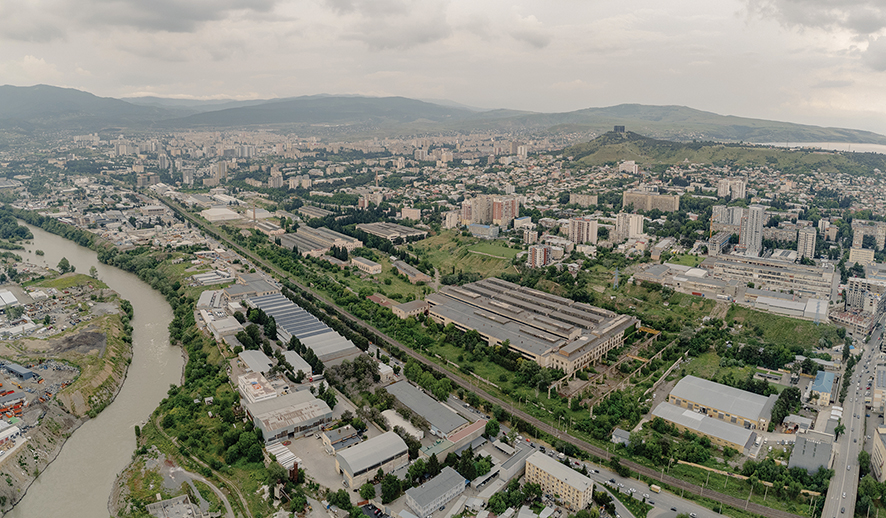
Temka — with its Soviet-era structure and strong community feel — has real potential to become a “healthy island”: with improved public spaces, greenery, mobility, and a strengthened local identity. It’s the kind of place where strategic interventions can transform everyday life dramatically.
Unused rail yards and old industrial areas also offer opportunities for Tbilisi’s 21st-century development — combining industrial heritage with new uses.
What role does culture play in creating an emotionally healthy city?
Culture is the core. The words are falsely attributed to Churchill during WWII, but they nevertheless hold a simple truth: “If we didn’t have culture, what would we be fighting for?”
Culture isn’t just museums or theaters — it’s the totality of how people live together, the ideas they generate, the space they have to express them. A city without culture is not a city. Culture is its soul, its meaning, its identity.
Any final thoughts?
People in Tbilisi often focus on what’s difficult — noise, traffic, decay. These frustrations are real. But at the same time, Tbilisi has enormous potential and extraordinary substance. Its liveliness is unique; its layers of history are unmatched. And few cities offer the privilege of climbing a hill, looking down at sunset, and feeling the magic of the place.
Sometimes the daily struggle hides that beauty. But from an outsider’s perspective, Tbilisi is truly exceptional.
Interview by Ana Dumbadze