Georgia consumed more electricity in 2025, even as domestic power generation fell, showing ongoing challenges in balancing demand and supply. Total electricity consumption rose by 3% year-on-year to 14.9 billion kilowatt-hours (kWh), while overall generation declined to approximately 13.8 billion kWh, nearly 3% less than in 2024.
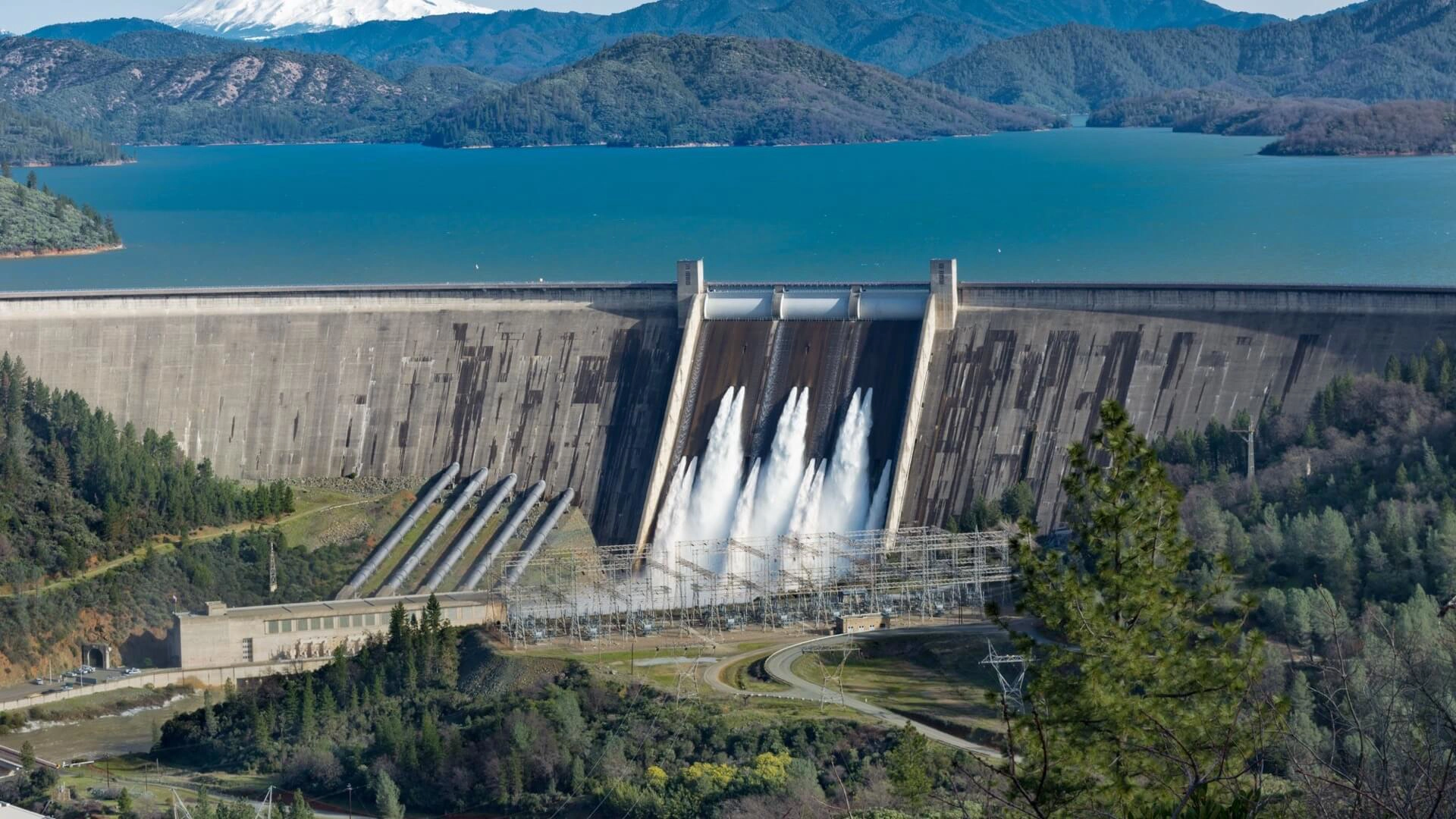
Hydropower, the backbone of Georgia’s energy system, remained the dominant source but recorded lower output. Hydroelectric plants generated around 11 billion kWh during the year, reflecting a 3% decrease compared to the previous year. Thermal power plants produced about 2.8 billion kWh, helping to partially offset the shortfall in hydro generation.
Renewable sources such as wind and solar continued to play a limited but increasing role. Georgia’s only wind power facility generated 79 million kWh in 2025, broadly in line with its usual annual performance. The country’s first utility-scale solar plant, which began operations in August, added 4.57 million kWh to the energy mix by year-end.
With an installed capacity of just 21 MW, the Kartsakhi wind plant’s contribution remains modest at the national level. Overall, the decline in hydropower output shows the year-to-year variability of renewable generation and Georgia’s continued dependence on weather-sensitive energy sources amid rising electricity demand.