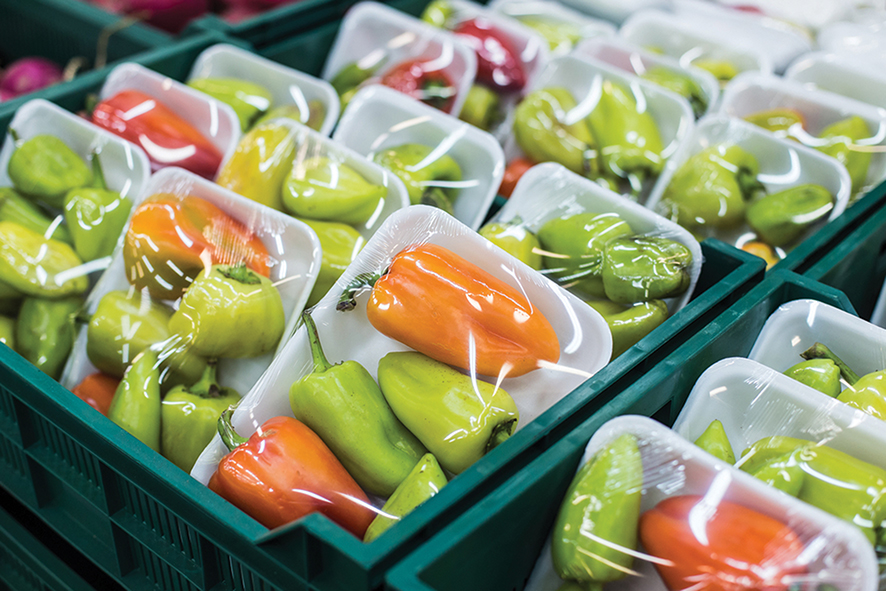
The Georgian government has announced plans to prohibit the sale of most beverages in plastic bottles in domestic markets beginning February 1, 2027, as part of a broader strategy to reduce plastic waste. The Ministry of Environmental Protection and Agriculture stated that sunflower oil and drinking water in containers larger than 10 liters will be exempt from the ban, as will products intended for export.
Solomon Pavliashvili, Deputy Minister of Environment and Agriculture, told Business Partner that the measure is part of a phased reform designed to give businesses time to adapt to the new regulations. He added that alternatives such as aluminum cans and reusable packaging are already available, and public awareness campaigns will be crucial to ensuring a smooth transition.
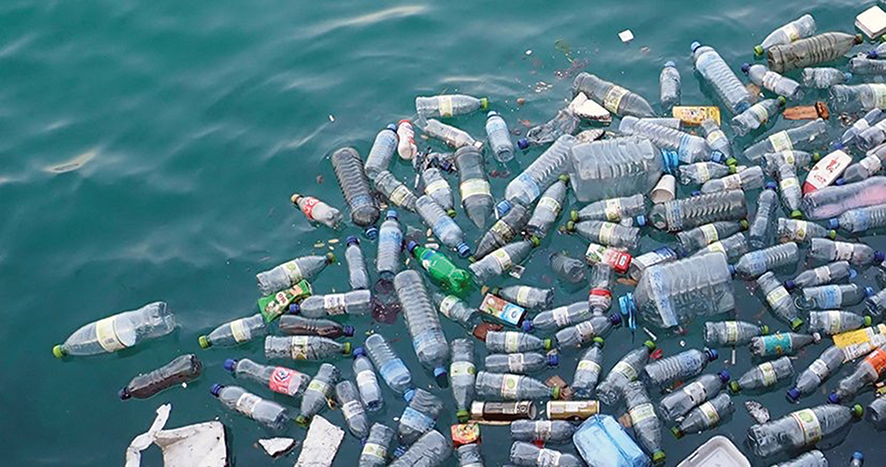
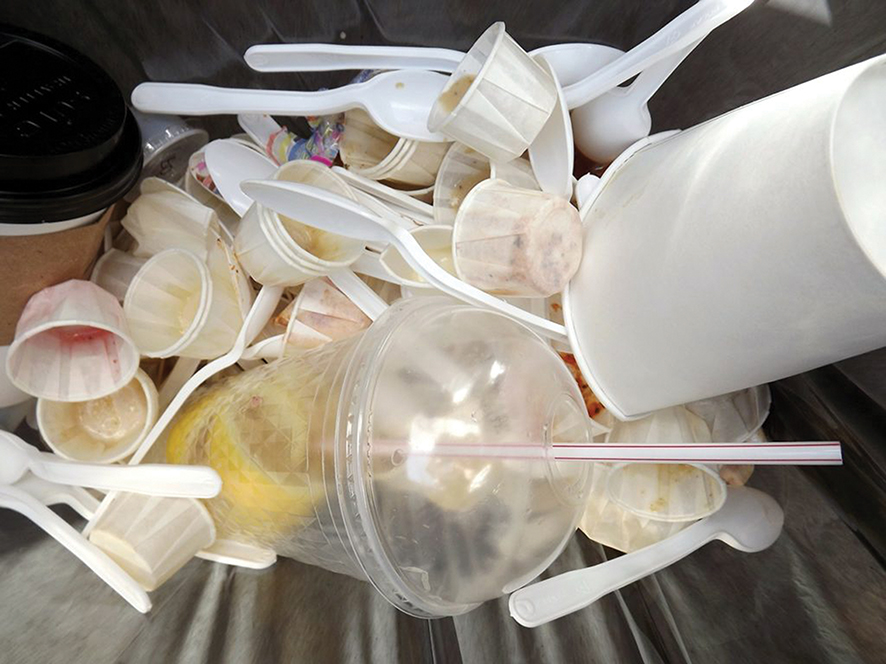
The beverages-in-plastic ban represents the final stage of Georgia’s anti-plastic policy, which has been gradually introduced over the past year. Since January 1, 2026, the production, import, and sale of certain single-use plastic items, including cutlery, plates, straws, and specific polystyrene containers, have been prohibited, with a three-month transition period for existing stock.
Additional steps are scheduled in the coming months:
• April 1, 2026: Most government agencies will be prohibited from purchasing plastic cups, containers, and bottles of up to three liters.
• July 1, 2026: Restaurants, cafes, and other food service establishments will no longer be permitted to serve food in plastic containers.
• February 1, 2027: The comprehensive ban on plastic-packaged food and beverage products will come into force.
Authorities acknowledge that the regulation may initially lead to higher prices due to adjustments in packaging and supply chains, but they expect long-term costs to decline as reusable containers gradually replace single-use plastics.
The ministry emphasized that Georgia’s approach does not replicate any specific foreign model. Instead, it combines phased product bans with regulatory and institutional mechanisms tailored to the country’s context. Consultations were held with private sector stakeholders, including beverage producers and business associations, to present the timeline and discuss implementation details.
The overarching goal of the reform is to significantly reduce plastic pollution while promoting more sustainable consumption practices. Businesses are now awaiting further guidelines on implementation.
By Team GT