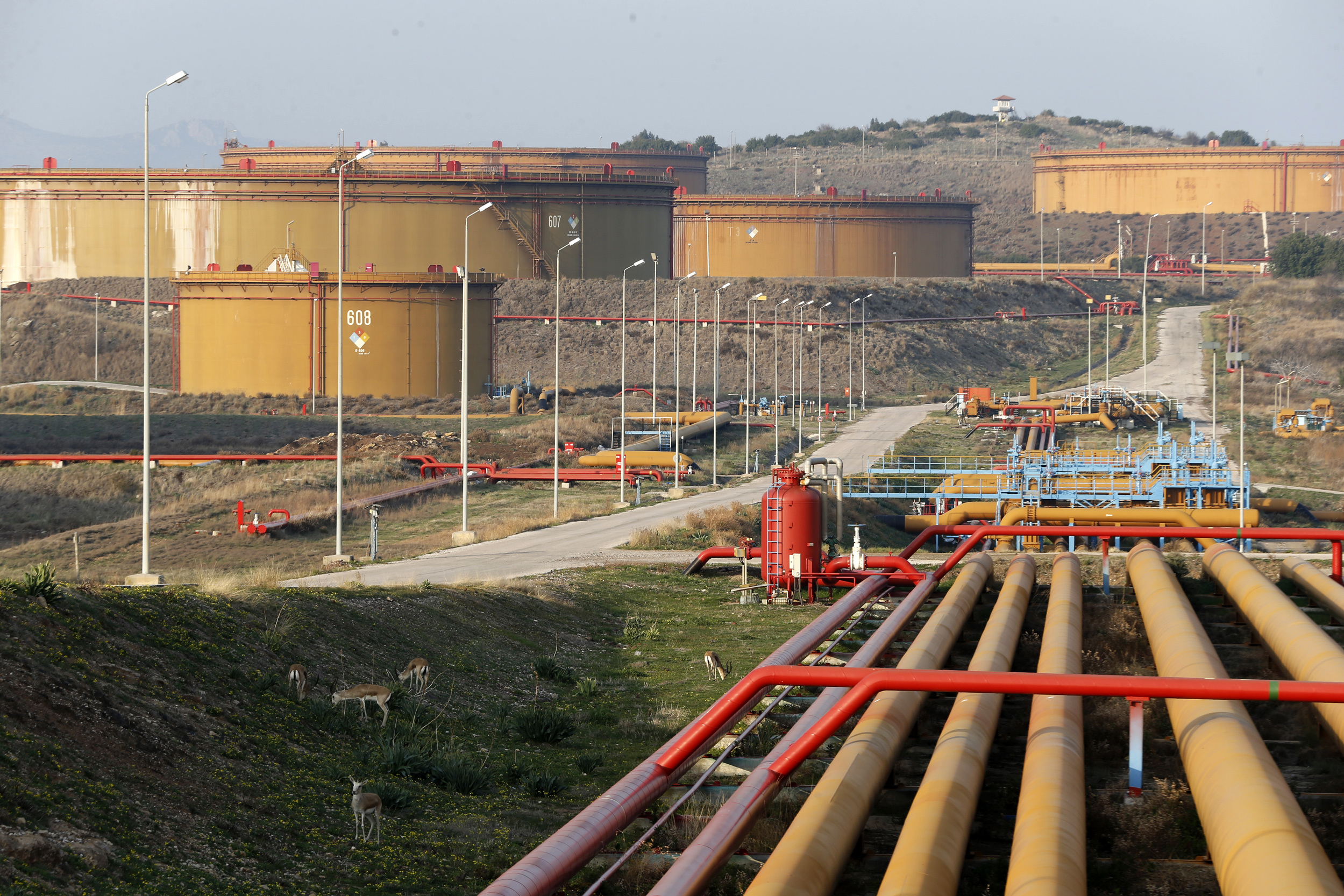
BP’s latest performance report revealed that crude oil transportation through the Baku-Tbilisi-Ceyhan (BTC) pipeline declined slightly in the first nine months of 2025. From January to September 2025, the pipeline carried around 159 million barrels of crude oil, equivalent to 19 million tons, which were subsequently loaded onto 216 tankers at the Ceyhan terminal.
This figure shows a decrease of 6 million barrels compared to the same period in 2024, when BTC transported approximately 165 million barrels or more than 22 million tons. Despite the decline, the pipeline plays a critical role in delivering Caspian crude to global markets through the Mediterranean.
BP’s report pointed out that during the reporting period, BTC’s operating expenses amounted to USD 97 million, while capital expenditures reached USD 50 million.
Since beginning operations in June 2006, the 1,768-kilometer BTC pipeline has transported more than 4.6 billion barrels of crude oil, over 605 million tons in total, and loaded 6,078 tankers for export to international destinations.
The BTC pipeline is operated by bp and jointly owned by a consortium of international energy companies: bp (30.1%), SOCAR (32.97%), MOL (8.9%), TPAO (6.53%), Eni (5%), TotalEnergies (5%), ITOCHU (3.4%), ONGC Videsh (3.1%), ExxonMobil (2.5%) and INPEX (2.5%).