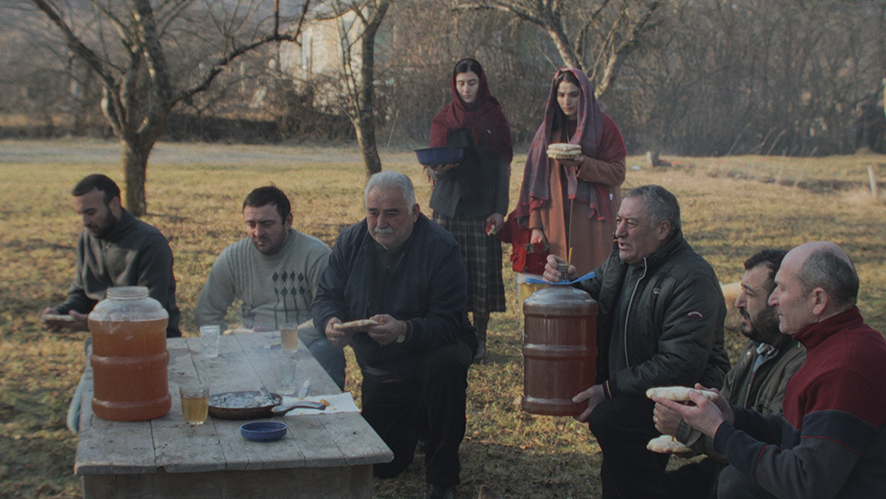
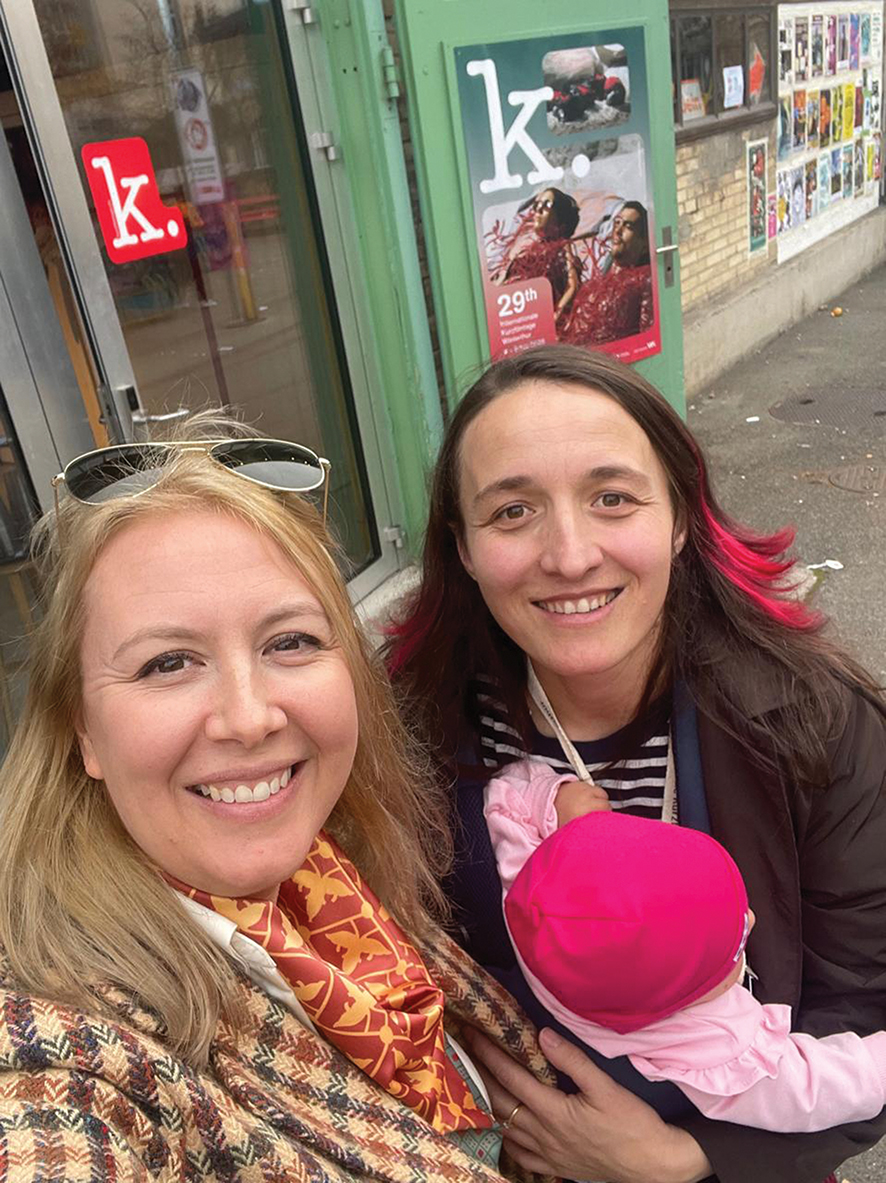
Mariam Khatchvani is at it again. Following from her breakthrough, multi-award-winning feature film Dede,* she now has another short film called Inherited Silence. And another short, The Mens Land, to boot. I recently spoke to a co-producer of Inherited Silence, Michelle Gagnon; and Mariam, the director, as well as that film’s star, first-time actress Mariam Chkhvimiani, 30, also a Svan. Content has been lightly edited for clarity.
“Filming was not easy, especially knowing that this problem [violence against women] is nothing new for the local people and for each participant involved, Mariam Khatchvani tells me. “I was very careful with their emotional state, and tried my best to convey the message truthfully. So I can’t say I felt good during the filming, but I did feel that this film was necessary. That gave me the motivation to continue.”
Was was your motivation for this film?
I really wanted to make this film because, as a woman, it is important for me to support other women and speak openly about these issues. Some women in Georgia, especially in the mountains and rural areas, believe that violence, unfriendly attitudes, or disrespect toward women are “normal.” Women often tell each other that if you want to keep your family together, you must simply put up with whatever hand you’re dealt. In my view, family means that both a man and a woman must build a relationship based on friendship, understanding, and consideration for each other’s wishes. This mutual respect is essential for a healthy and happy family. Sometimes, men believe that being the “head of the household” is the right way, but through my film, I show how this behavior looks from the outside, from a woman’s point of view.
I believe that if we continue talking about these issues openly, men will eventually change their perspective. Because a happy woman creates a happy man and a happy family. And an unhappy woman creates the opposite. If a man wants happiness, he must ensure that his wife is happy.
Did it go as you thought it would?
Yes, filming went the way I expected. Of course, there were many challenges, but that is normal, and we had to overcome them. I want to thank the team members who helped us voluntarily.
I was happy and pleasantly surprised that the women agreed to participate in the film, even though they knew exactly what the film was about. This meant a lot to me—it felt like a big step forward.
Special moment(s)?
I don’t have a specific favorite moment, but I remember that for the final scene, I needed five women to stick to the script. My mother was helping me gather the local women, and instead of five, she brought around twenty—or even more. They all came dressed up and ready to be filmed. Since it felt wrong to send any of them home, I decided to include everyone. In the end, the scene turned out much more interesting than I expected.
What happens now with the film?
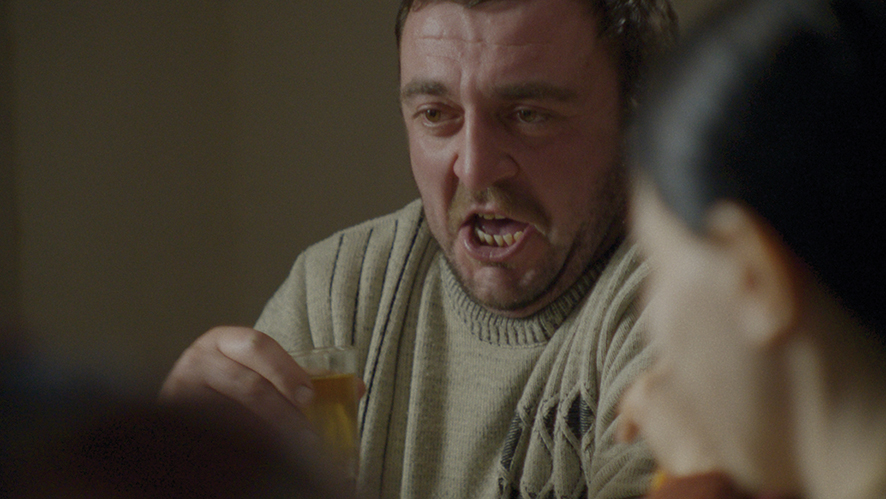
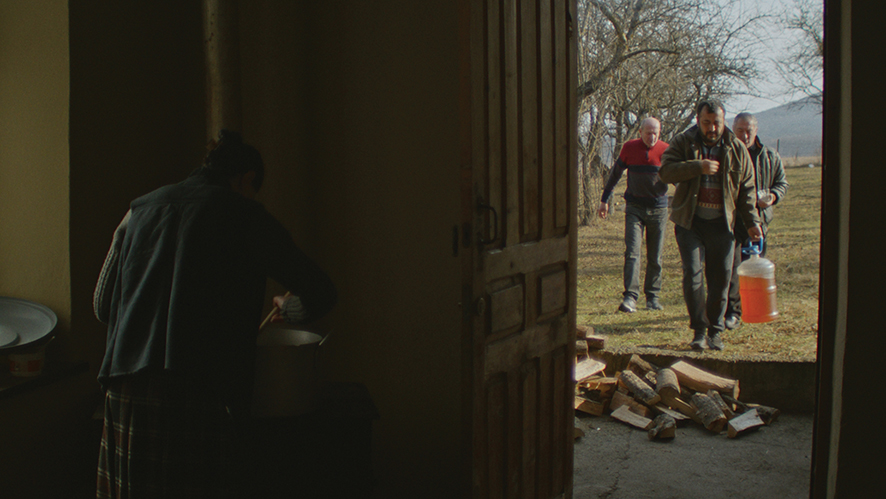
I think the film will participate in interesting festivals and provoke discussions. Besides domestic violence, the film also touches on emigration, a child’s psychological state, excessive feasting—which is common in Georgian culture—and other social issues.
“I believe the film will be successful, and I hope I will have the opportunity to make it into a feature film,” she concludes.
If Dede is anything to go by, this new short film and its partner, The Mens Land, have a bright future. Dede won many awards in film festivals around the world, including Cannes, and it was a surprise to this writer that it was not even put onto the shortlist of films for Georgia to consider for its possible Best Foreign Oscar submission. Too… feminist, too minority-focused on Svaneti? But Mariam continues, and will eventually have major success, I believe.
Part 2 next week.
*Dede means “mother” in the Upper Bal dialect of Mariam’s home, Ushguli, Svaneti, Europe’s highest village and the main setting of that film
Interview by Tony Hanmer
Tony Hanmer has lived in Georgia since 1999, in Svaneti since 2007, and been a weekly writer and photographer for GT since early 2011. He runs the “Svaneti Renaissance” Facebook group, now with over 2000 members, at www.facebook.com/groups/SvanetiRenaissance/
He and his wife also run their own guest house in Etseri: www.facebook.com/hanmer.house.svaneti