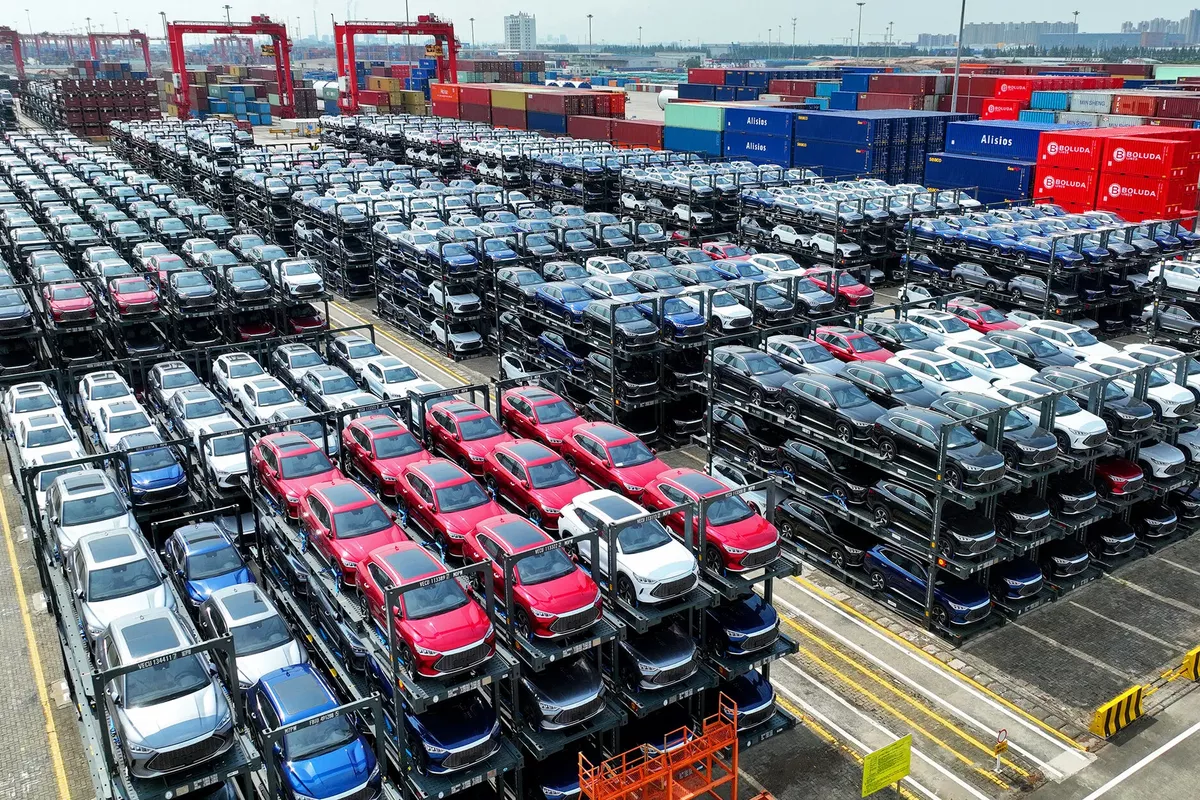
Georgia is taking decisive steps to modernize its automotive market, reduce environmental impact, and improve road safety. Starting April 1, 2026, the government will ban the import and registration of passenger cars older than six years, while exempting electric vehicles. Vehicles already imported before the deadline or currently within Georgian customs territory will remain eligible for registration.
The move underscores Georgia’s growing focus on sustainable transportation, public health, and aligning national vehicle regulations with European standards. First Deputy Minister of Environmental Protection and Agriculture, Nino Tandilashvili, emphasized: “The new regulation will rejuvenate the vehicle fleet, bring in higher-quality motor vehicles with lower emissions, and reduce air pollution.”
Prime Minister Irakli Kobakhidze added that the legislation is part of a broader strategy to improve mobility and reduce congestion: “Such growth leads to traffic congestion and worsens environmental conditions. It is extremely important to stop importing cars older than six years. This is important for the environment, public health, and ensuring comfortable mobility for our population.”
A Fleet in Need of Renewal
Georgia’s registered vehicle fleet has been expanding steadily. By the end of 2025, there were 1,914,908 registered vehicles, a 6.9 percent increase from 2024. The composition of the fleet shows the dominance of traditional fuel vehicles:
- Gasoline: 796,250
- Diesel: 373,633
- Hybrids: 188,899
- Gasoline & Gas: 187,016
- Electric: 15,581
- Gas-only: 2,053
- Other types: 351,476
Despite this growth, the fleet is aging rapidly, with over 80 percent of cars older than ten years, contributing disproportionately to urban air pollution and traffic congestion. Rapidly increasing imports of electric vehicles, which reached 5,216 in the first eight months of 2025, indicate a shift toward cleaner transportation, though EVs still account for a relatively small fraction of the total market.
Georgia as a Regional Automotive Hub
Georgia is more than a domestic market: it is a strategic import and re-export hub in the Caucasus and Central Asia. Its location, competitive tariffs, and flexible trade policies have made the country a key transit point for passenger vehicles.
In 2023, vehicle imports were valued at approximately USD 3.33 billion, with the United States accounting for 58 percent, Japan 18 percent, and Germany 10 percent. Smaller volumes came from South Korea, Türkiye, and the United Kingdom. Imported vehicles include gasoline, diesel, hybrid, and an increasing share of electric models.
Re-exports remain a major component of the automotive trade. In the first ten months of 2025, Georgia re-exported over 93,000 vehicles valued at $2.3 billion, primarily to Kyrgyzstan, Kazakhstan, Azerbaijan, and Armenia. This dual role as a consumer market and conduit for regional distribution underlines Georgia’s importance in Eurasian automotive trade networks.
Strengthening Standards and Vehicle Maintenance
Georgia has progressively raised vehicle safety and environmental standards. Euro 5 emissions regulations, introduced in 2024, restrict the registration of vehicles that do not meet the standard, effectively limiting older, high-emission cars from entering the market.
Mandatory technical inspections now cover brakes, lights, steering, suspension, and exhaust emissions. Vehicles older than eight years must undergo annual checks. Licensed providers, including Greenway, perform these inspections nationwide, ensuring compliance with safety and environmental requirements.
This combination of stricter import rules, emissions standards, and ongoing inspections aims to phase out older, high-emission vehicles and encourage the adoption of newer, cleaner models.

Environmental and Market Implications
Transportation is a major source of harmful emissions in Georgian cities. Older vehicles contribute disproportionately to particulate matter and nitrogen oxides, with impacts on public health and urban livability.
The government’s multifaceted approach, combining import restrictions, emissions standards, and technical inspections, targets both environmental and safety objectives. For the market, these measures are expected to accelerate fleet modernization, encourage the import of newer gasoline, hybrid, and electric vehicles, and adjust the used car re-export market to the new six-year limit. Urban air quality, road safety, and vehicle reliability are all projected to improve as a result.
The Future of Georgia’s Automotive Market
Georgia’s new import policy represents a strategic effort to balance economic trade interests with environmental and public health goals. Alongside a growing EV sector and stronger enforcement mechanisms, the country is positioning itself as a regional leader in sustainable transportation and automotive modernization. Analysts expect the policy to further stimulate the demand for electric and hybrid vehicles while gradually phasing out the older, more polluting fleet that has long dominated Georgian roads.
Georgia’s Vehicle Market at a Glance
Registered Vehicles (End of 2025)
- Total: 1,914,908 (+6.9% from 2024)
- Gasoline: 796,250
- Diesel: 373,633
- Hybrids: 188,899
- Gasoline & Gas: 187,016
- Electric: 15,581
- Gas-only: 2,053
- Other: 351,476
Vehicle Age Distribution
- Over 10 years old: ~80% of the fleet
- Average fleet age: 11–12 years
Electric Vehicle Growth
- EV imports (Jan–Aug 2025): 5,216 (+83% YoY)
- EV fleet (early 2025): 15,581
- Main EV suppliers: United States, China
Vehicle Imports
- Total imports 2024: ~USD 3.47 billion
- 2023 breakdown: US 58%, Japan 18%, Germany 10%
- Main types: gasoline, diesel, hybrid, EV
Vehicle Re-exports
- 2025 (Jan–Oct): $2.3 billion (~93,000 vehicles)
- Key destinations: Kyrgyzstan, Kazakhstan, Azerbaijan, Armenia
Technical Inspection / Maintenance
- Mandatory periodic inspection for all M1 vehicles
- Inspection intervals: first check 4 years after production, then every 2 years until 8 years old, annually thereafter
- Licensed inspection providers: Greenway and others
Policy Milestones
- Euro 5 emissions standards enforced from 2024 for imported cars
- April 1, 2026: Ban on import of cars older than six years (EVs exempt)
- Aims: reduce emissions, modernize fleet, improve road safety